On a Branded Game, the Licensor's Approval Calendar Is Your Production Schedule
Branded game projects miss their dates in the licensor's inbox, not in the studio. Approval gates, response windows and milestone clauses are the real schedule. Everything else in the plan — art, build, QA, integration — is negotiable in a way that a brand's creative review calendar is not. If you have never run a licensed character title before, this is the part of the job that will surprise you, and it is almost never the part that gets budgeted.
The pitch deck for a branded game is always about the audience. The reality of delivering one is about a spreadsheet of assets waiting on someone else's sign-off. A studio that plans for the first and not the second ships late, burns its margin on rework, and ends the project convinced that brand deals are not worth doing.
They usually are. But you have to price the pipeline, not just the pixels.
📈 The Category Is Large Enough That Brands Have Real Process
There is a reason licensors behave like institutions rather than creative partners. According to Licensing International's 2026 Global Licensing Industry Study, global sales of licensed merchandise and services reached $389.8 billion in 2025, up 5.45% year over year against nominal global retail growth of 4.52%. The character and entertainment segment — the one that owns the properties you want — grew 8% to $161.8 billion. The study draws on reported data from 51 countries and 1,068 companies.
One number in that release matters more than the headline for anyone building games. Anime, video games, comics, social media and other properties together now account for 34% of licensing revenues in the character and entertainment category, slightly ahead of feature films and scripted and unscripted TV at 33%. Games are no longer a novelty extension for a film franchise. They are a peer category, and increasingly the origin of the IP rather than a downstream expression of it.
That maturity cuts both ways. It means brand-side teams understand games well enough to have opinions. It also means they have an approvals apparatus built for a toy line — hundreds of SKUs a year, staged submissions, a named brand assurance manager, and software that tracks every version. You are entering that machine, not building a new one with them.
🔐 What the Licensor Actually Controls
Read a licence for a branded title and the approval clause is longer than the payment clause. That is not an accident.
Harris Beach Murtha's practitioner guide to negotiating video game IP licences lists what a licensor should secure oversight of: concept, storylines, character design, user interface, marketing, packaging and major content updates. Note the two on that list that developers routinely forget to schedule. User interface means your buttons, your fonts, your menus and your loading screen are brand assets subject to review. Major content updates means the approval relationship does not end at launch — every new level pack, seasonal event or re-skin goes back through the same door.
The same guide describes the milestone structure these approvals hang on: concept approval, alpha, beta, certification, launch — each with dates in the contract. Missing them is not a soft failure. It typically hands the licensor options: convert your exclusivity to non-exclusive, suspend rights, or terminate. "Failure to launch" clauses, requiring release by a fixed date, are standard.
So the contract contains a schedule you did not write, enforced by penalties you do not control, gated on responses you cannot chase.
⏱️ Read the Response Window Before You Read the Royalty
Here is the clause that decides whether a branded project is profitable, and almost nobody negotiates it: how long the licensor has to respond to a submission.
The Harris Beach Murtha guidance suggests approval procedures be time-limited — for example, requiring responses within 15 to 30 business days — precisely to avoid bottlenecks. Take the upper end and do the arithmetic. Thirty business days is six calendar weeks. Four formal gates at six weeks each is twenty-four weeks of waiting, before anyone has rejected anything. Add one rejection-and-resubmit cycle at concept and one at beta and you are past a year on a game your team could build in four months.
Three things to put in the contract, in descending order of how much they will save you:
- A deemed-approved default. If the licensor does not respond within the window, the submission is approved. Brand teams resist this and often win, but ask — even a narrowed version covering minor assets is worth real weeks.
- Consolidated feedback. All comments on a submission come back at once, from one named approver. Sequential feedback — where round two raises an issue that was visible in round one — is the single largest hidden cost in licensed development.
- Schedule relief tied to their delay. If a response takes 40 days instead of 20, your milestone dates and your failure-to-launch date move by the difference. Without this clause, their slippage becomes your breach.
That third point is the one that turns a bad quarter into a terminated licence. Fix it at signature; you will never fix it in month nine.
💸 Where the Money Actually Sits
Financial terms in this category are unusually opaque, and you should treat any single published benchmark with suspicion. Legal Moves Law Firm's breakdown of game licensing financial terms puts trademark and IP licensing in entertainment and gaming at 5–15% of net receipts, with exclusive licences commanding more than non-exclusive. It also reports that roughly 81% of game licensing deals include recoupment requirements, split between full-stop recoupment at about 42% and concurrent recoupment at about 58%, and that marketing deductions are commonly capped around 15% of gross revenue.
Those aggregate percentages come from a legal practice's summary rather than a published dataset with a disclosed sample, so use them to know what questions to ask, not to anchor a negotiation. What is reliably true across sources is the structure: an upfront payment, a royalty on defined revenue, a recoupment mechanism, and audit rights. The same source notes audit rights appear in virtually all advance-based deals and in over 83% of no-advance agreements — which tells you the licensor expects to check your numbers, and that your reporting obligations are a real engineering cost.
The clause that decides your actual take is the definition of the revenue the royalty applies to. Get it enumerated: in-app purchases, subscriptions, advertising, cosmetic items, paid expansions, bundled distribution to a carrier, white-label resale. If advertising revenue is not named, assume the licensor will claim it later — and if you are running the title on a portal, ad revenue may be most of what you earn.
🧩 Two Different Deals Wear the Same Name
"We're doing a branded game" describes two businesses with opposite economics, and confusing them is how agencies lose money.
The commissioned build
A brand or its agency pays you a fee to make a game for a campaign, a stand, a loyalty app or a retail activation. You carry no royalty and no minimum guarantee. Your risk is entirely schedule risk: a fixed fee against an approval process you do not control. Every extra review round comes straight out of margin. Price the number of approval rounds explicitly — three included, additional rounds billed — the way a design agency prices revisions. This is the model behind most branded marketing games and event activations, and it is the safer of the two for a studio without a balance sheet.
The IP licence
You license characters or trademarks and publish a commercial title yourself. Now you carry the advance, the minimum guarantee, the royalty and the launch obligation, and the upside is yours. This only works if you have distribution already — a portal, an operator relationship, a store presence — because you are betting your own capital on reach you must supply. Studios that would never take publishing risk on original IP sometimes take it on licensed IP because the brand name feels like a substitute for a marketing budget. It is not.
🧸 Kids' Properties Run Two Approval Tracks, Not One
If the property is aimed at children, creative approval is only half the pipeline. A parallel legal and compliance review covers data collection, ad formats, in-app purchase prompts, external links, and age rating submissions — and it is usually run by a different team, on a different calendar, with authority to overrule the creative approver.
Plan for it as a separate track with its own lead time. In practice it means deciding your SDK stack, ad configuration and analytics before art is final, because those are the things compliance will reject and they are expensive to unpick late. It also constrains monetization in ways that change the business case: if rewarded video and behaviourally targeted advertising are off the table, the revenue model needs to work on contextual ads, a fee, or nothing at all. Studios that build cartoon and character-style games for younger audiences learn to make that call at the pitch stage rather than the launch stage.
🗂️ Build the Submission Package the Approver Wants
Approval speed is largely a function of how easy you make it to say yes. Brand assurance teams review dozens of submissions a week across every category the licensor operates in; yours competes with a lunchbox.
- Submit against the style guide, section by section. If the guide specifies character proportions, approved colour values and prohibited poses, annotate your submission with the section each asset satisfies. Reviewers reject what they have to interpret.
- One asset, one version, one stage. Structured approval systems exist because free-text email threads lose which comment applied to which build. If the licensor runs approval software, use it exactly as specified rather than routing around it.
- Bundle by review type, not by sprint. Send all character art together, all UI together, all marketing together. Mixed submissions get held until the slowest reviewer in the chain responds.
- Include a change log against the last rejection. Line-by-line, referencing their comment numbers. This alone can turn a second full review into a spot check.
- Name one person on each side. Your producer, their brand manager. Every escalation path in writing before you need it.
🚫 Five Ways Branded Game Projects Blow Their Dates
- Treating the style guide as reference material. It is a specification. Deviations are not creative choices; they are rejections with a six-week round trip attached.
- Starting production before concept approval. Tempting when the schedule is tight, and it is exactly how a studio ends up rebuilding finished levels because a character silhouette was never signed off.
- Forgetting UI, store assets and the loading screen. These are brand surfaces. Teams submit gameplay art for approval and then discover the entire front end needs reviewing two weeks before launch.
- Assuming approval transfers. Approval for a web build is not approval for an Android build, a carrier portal placement or an in-store kiosk. If the licence enumerates platforms, each new surface is a new submission and possibly a new grant.
- Pricing the build and not the pipeline. A fixed-fee quote with unlimited approval rounds is an unpriced liability. Cap the rounds or bill them.
🎮 Where a Licensed Catalogue Fits
Not every brand brief needs a bespoke build. If the requirement is a working games experience inside a campaign, an app or a portal — rather than a title that must star a specific character — licensing existing games and applying your own branding to them removes the licensor approval pipeline from the critical path entirely. The trade is obvious: no character IP, no franchise pull, but a launch measured in weeks rather than quarters.
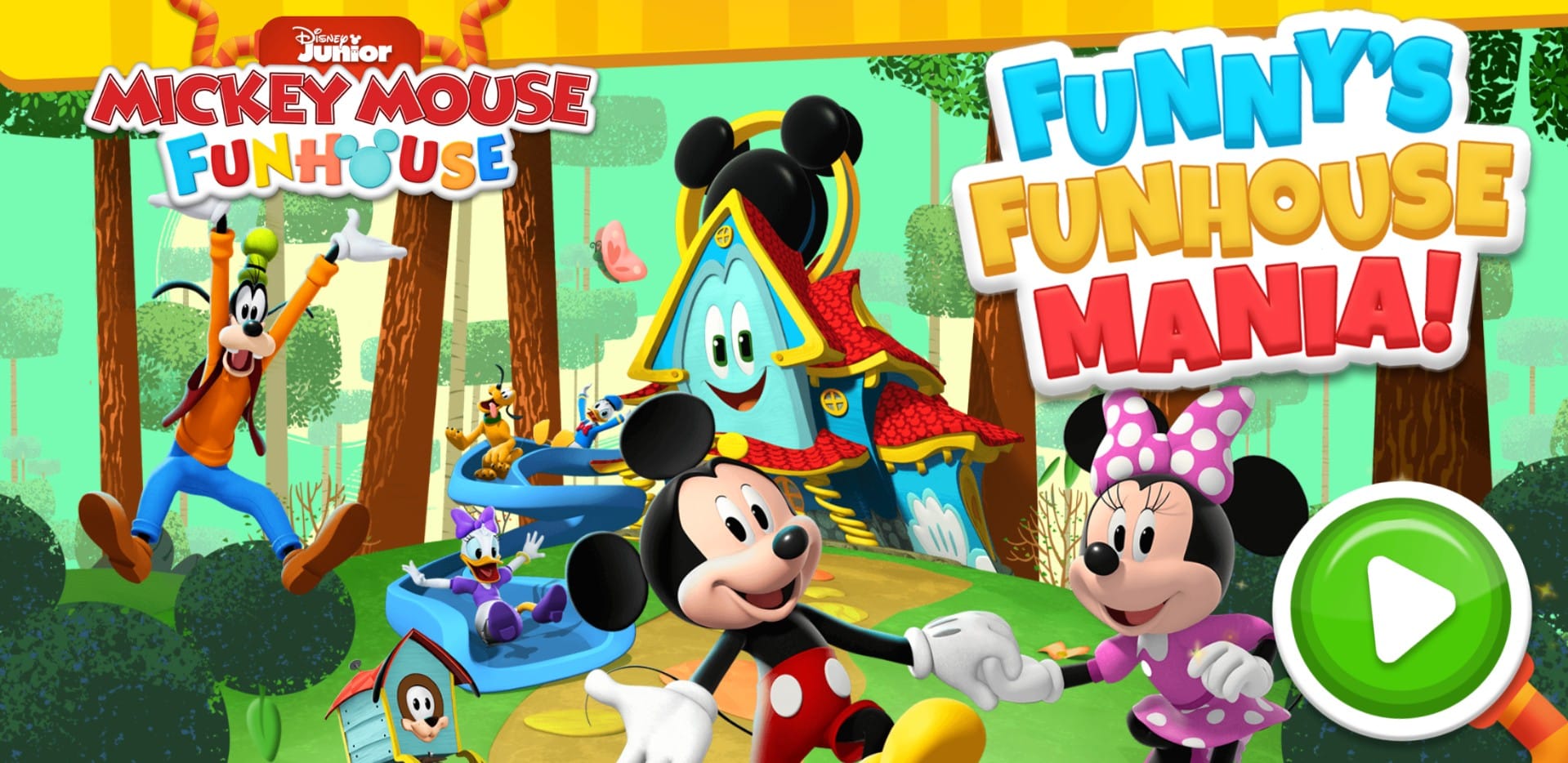
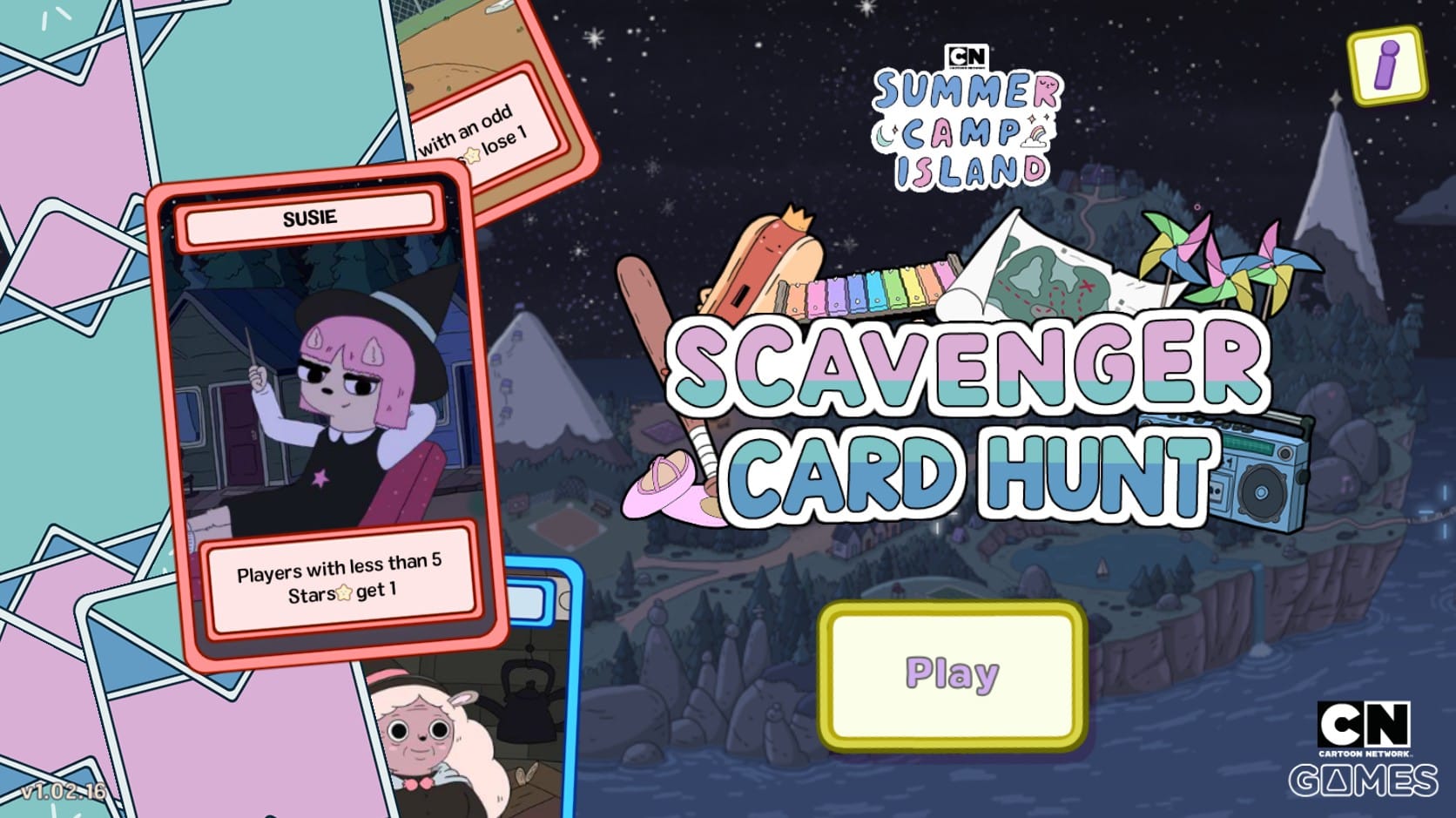
Forestry Games has operated since 2017 and licenses a catalogue of 1,049 HTML5 and Android titles, develops HTML5 games in-house, and works with branded IP, including brand partnerships with Disney, Nickelodeon, Cartoon Network and Warner Bros. For teams weighing the two routes, the practical starting point is to look at what already exists in the games catalogue and at how licence scope and pricing are structured, then decide whether a branded build is genuinely required or whether a white-labelled existing title does the job.
🧭 What to Do Before You Sign the Next One
Take the draft licence and find three clauses before you read anything else: the response window on approvals, the list of what requires approval, and what happens to your dates when the licensor is late. Those three determine whether the project is deliverable. The royalty rate determines only whether it was worth delivering.
Then build the schedule backwards from the launch obligation rather than forwards from your kick-off. Put every approval gate on the calendar at the contractual maximum response time, not the optimistic one, and add one rejection cycle at concept and one at beta. If the resulting date is past your failure-to-launch clause, you do not have a scheduling problem — you have a contract that needs renegotiating before a single asset is made.
Do that once and the branded work becomes what it should be: a premium line of business with predictable overheads. Skip it and you will spend the project discovering that the most expensive person on a licensed game is the one who has not answered your email.