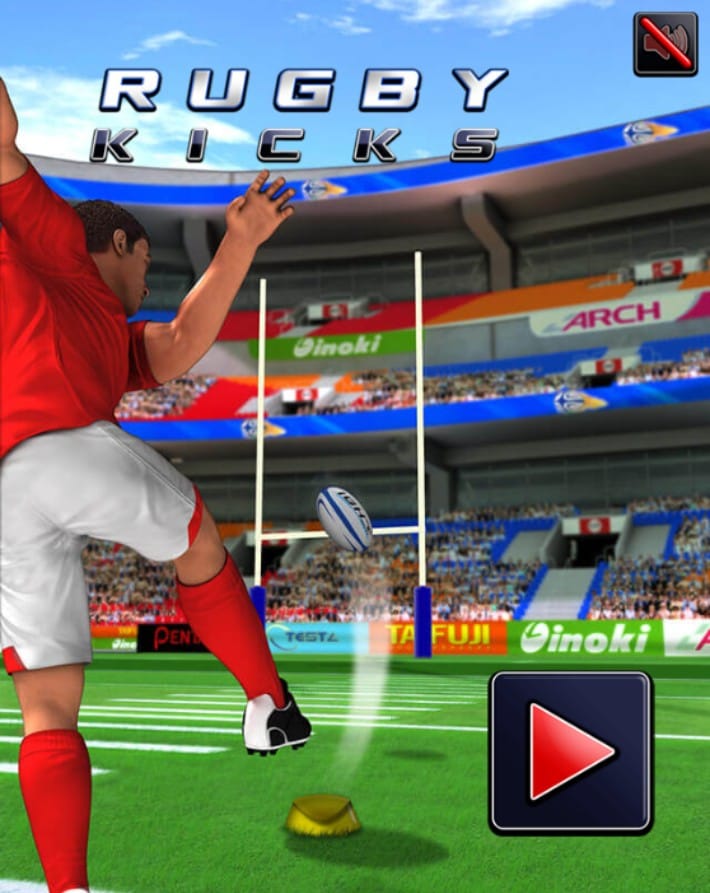
The Brand Decides Which Ads Can Sit Next to Its Game. Settle Ad Adjacency Before You License Branded Games.
Before you license branded games, settle which ads may run beside them. The brand's approval terms usually cut your inventory harder than COPPA or the DSA do.
The forecast for a branded title almost always gets built the same way. Someone takes the portal's blended eCPM, multiplies it by the sessions the branded title is expected to add, and puts the number in the deck. It survives the licence negotiation, the integration, and the launch. It dies in month two, when the ad ops lead discovers that four of the top six spending categories on the portal are not allowed on that page.
This is not a rare failure. It is the normal outcome of buying the game and the ad terms separately, from two people, at two different times.
🧾 Three Rulebooks Land on the Same Ad Slot
An ad served next to a licensed branded game is governed by three separate sets of rules, written by three parties who have never spoken to each other:
- Statute. COPPA in the US, the DSA and GDPR in the EU, the UK's own regime. These decide what data may be used and, increasingly, what may be advertised at all.
- Platform policy. Google Play's Families policy on the Android side, store review on iOS, and the ad platform's own child-directed treatment settings. These decide which SDK is even allowed to fill the slot.
- The brand's approval terms. The character licence, the style guide, and whatever the approvals contact says on the review call. These decide what may appear near the property, and they are usually the tightest of the three.
Most buyers plan for the first two, because those are public and searchable. The third sits in a PDF attached to your agreement, and it removes the most revenue.
⚖️ The Legal Layer Moved Twice in Eighteen Months
If your ad compliance memo predates 2025, it is out of date on two continents.
In the US, the FTC's amended COPPA Rule reached its full compliance date on 22 April 2026. The change that matters for a games operator is structural: disclosing a child's personal information to a third party for targeted advertising now needs its own separate verifiable parental consent, not a bundled one, and the rule adds retention limits and a broader definition of personal information (Hunton, 2026). Civil penalties run to $53,088 per violation, and the FTC has historically counted per child and per day.
In the EU, Article 28 of the Digital Services Act bars profiling-based advertising where the platform is aware with reasonable certainty that the user is a minor — a minor being anyone under 18, not under 13. The European Commission published its guidelines on the protection of minors on 14 July 2025. They are not binding, but the Commission has said it will use them to assess compliance, which makes them binding enough for planning purposes.
The practical effect on a mixed-audience portal: the moment a branded kids' title is live, "we serve personalised programmatic everywhere" stops being available on part of your inventory — and on all of it, if you cannot separate audiences cleanly.
🤖 The Platform Layer Decides Which SDK Can Even Fill the Slot
On Android this is not a policy you interpret. It is an allowlist.
If your app's target audience includes children, ads shown to those children must come exclusively from Google Play Families self-certified ads SDK versions. If the audience is mixed, you need a neutral age screen and you have to route accordingly. Self-certified SDKs must let publishers request child-directed treatment per request or per app, and that treatment disables personalised ads, interest-based advertising and remarketing. AdMob's implementation of the same policy also requires the maximum ad content rating to be set to G.
Two operational details buyers miss. First, the self-certification program is not currently accepting new applicants — Google's own page says the application window will reopen at a later date. If your preferred mediation partner is not already on the list, you cannot get it added on your timeline. Second, none of this is delegable: Google's documentation is explicit that it remains the developer's responsibility to verify that every SDK, including certified ones, complies with applicable policy and law.
That matters when you license Android games as APK builds, because the ad stack is compiled into a package you did not build and often cannot recompile. The SDK question has to be answered before the licence is signed, not after the first policy warning.
🏰 The Brand Layer Is the One Nobody Budgets For
Here the rules are private, so no article can tell you what yours will say. What is consistent across character and entertainment licensing is the shape of the restrictions. Expect the approval terms to speak to some combination of:
- Category exclusions. Whole verticals removed from the page — commonly gambling, alcohol, dating, pharmaceuticals, and depending on the property, anything the brand's own advertising standards prohibit.
- Competitive separation. A property with its own commercial partners will not sit beside a rival in those categories. This is the exclusion buyers forget, and it often removes a top spender rather than a marginal one.
- Format limits. Rules about interstitials before or immediately after brand content, about rewarded video that implies the brand is paying the player, and about anything that overlays the property's artwork.
- Creative pre-approval. A requirement that ad creatives adjacent to the property be reviewed. Workable for direct-sold inventory. Effectively incompatible with open programmatic, where you do not know the creative in advance.
- Scope of the restriction. The clause that decides everything: does the rule cover the game frame, the page containing the frame, or the whole session including the pages either side of it?
None of this is unreasonable. A property is worth what its associations are worth, and a licensor protecting them is doing its job. But these restrictions are written by people thinking in terms of a campaign, not an always-on portal with a programmatic waterfall, and the gap between those two mental models is where your forecast goes. Ask for the restrictions in writing during scoping, from the licensor rather than reconstructed from a style guide. If the answer is "we'll confirm at approval", price the title as though every restriction applies.
🍫 A Whole Ad Category Disappeared in January, and Nobody Rewrote Your Rate Card
Ad category risk is not only contractual. In the UK, the restrictions on advertising less healthy food and drink took legal effect on 5 January 2026, after a delay from October 2025 the industry spent complying voluntarily anyway. Television gets a 5:30am–9pm watershed. Online gets a total ban on paid-for advertising of in-scope products, 24 hours a day.
Read the liability list before you assume this is an advertiser problem. It reaches retailers and manufacturers, restaurants and takeaways, broadcasters, online platforms, and — the entry that should concern a portal operator — ad publishers and sellers of inventory, for organisations with 250 or more employees. Exemptions include brand-only advertising with no identifiable in-scope product, audio-only formats, unpaid content on a brand's own channels, and businesses under 250 staff.
Snacks and confectionery are a natural fit for casual game audiences. If they were in your UK mix, they are not any more, and no branded licence had to say a word about it.
💸 What Non-Personalised Actually Costs: Two Studies, Wildly Apart
Everyone quotes a number for what turning off personalisation does to yield. Almost nobody quotes both of the credible ones, because they do not agree.
The academic study by Marotta, Abhishek and Acquisti, presented at WEIS in 2019, found that behavioural targeting via third-party cookies increased publisher revenue by roughly 4%. Google's own study, published a few months later in August 2019 across a sample of its 500 largest Ad Manager publishers, reported that impressions without a cookie earned about 52% less. Both were competently executed. They differ on methodology, on what counts as the counterfactual, and on the inventory studied.
The honest answer is that the impact sits in a very wide range and depends on your inventory. The direction is not in dispute: non-personalised inventory clears lower in an open auction, and inventory carrying a creative pre-approval requirement often cannot be sold in an open auction at all. Plan on the pessimistic end. Do not run one blended eCPM across a page that legally and contractually cannot behave like the rest of the site.
🧩 Your Ad Config Is Site-Wide. Your Licence Is Per-Title.
Most portals configure the ad stack once — one tag setup, one mediation config, one consent flow, applied to every game page because every game page comes from the same template. A branded licence attaches obligations to one row in that catalogue. Somebody has to build the exception, and it has to survive a redesign, a CMS migration, and the ad ops hire after next. Three things worth doing before launch:
- Give restricted titles their own ad configuration key, driven by catalogue metadata rather than by a hardcoded page list. If it lives in a list, someone will add a game and not the rule.
- Apply the restriction to the page, not the frame, unless the licence explicitly permits otherwise. Most licensed HTML5 builds do not serve their own ads, so the units you control are on the page around the frame — which is exactly what a reviewer will screenshot.
- Snapshot the page at launch and re-snapshot monthly. Approval is granted against what the reviewer saw. Your waterfall changes weekly.
If the ad layer is still being designed, that decision belongs alongside the licence rather than after it — our notes on monetization for licensed catalogues cover the stack side of the same problem.
🧮 Price a Branded Title as Two Numbers, Not One
The mistake behind all of this is treating a branded game as a higher-yield version of a generic one. It usually is not. It is a lower-yield page that brings traffic and retention the generic catalogue cannot.
So model it as two lines. Line one: what the page itself earns, at non-personalised rates, with the restricted categories removed. Line two: what the property brings — sessions, new users, the reason a partner promotes your portal, the reason a media buyer takes the meeting. If line two does not carry the deal, the licence is priced wrong or the title is wrong.
It also points at the better revenue route. Restricted inventory suits direct-sold sponsorship, where the advertiser is known, the creative can be approved in advance, and the price is negotiated rather than auctioned. Character and entertainment licensing reached $161.8 billion in retail sales in 2025, up 8%, within a $389.8 billion licensing market, on Licensing International's 2026 Global Licensing Industry Study. Advertisers understand what the association is worth. Sell it to them directly instead of hoping an exchange pays for it.
🚫 Five Ways This Goes Wrong
- The branded title is sold inside a run-of-network package. The media team sells the whole site, the restricted page is in it, and nobody finds out until a screenshot arrives.
- Mixed audience, single configuration. A kids' property is added to a general portal with no age gate. Now the strictest ruleset applies to inventory you thought was unrestricted.
- Ad terms negotiated after the game licence. Leverage is gone by then. The restrictions are handed to you rather than agreed with you.
- Approval treated as permanent. Launch is approved, then three mediation partners and a header bidding upgrade later, the page bears no resemblance to what was reviewed.
- The forecast uses portal-average eCPM. The single most common cause of a branded deal being declared a failure when the game itself performed fine.
📋 Nine Questions to Put to a Licensor Before You License Branded Games
- Which advertising categories are prohibited adjacent to this title, in writing, at scoping?
- Are competitive exclusions defined by named companies or by category, and who updates the list?
- Does the restriction cover the game frame, the containing page, or the surrounding session?
- Which ad formats are permitted, and at which moments in the session?
- Is creative pre-approval required, and if so, what is the committed turnaround?
- May we serve non-personalised programmatic, or is this direct-sold only?
- Does the title carry an age designation that forces child-directed treatment across our whole app or shell?
- Who re-approves changes to the ad stack after launch, and how quickly?
- For each territory we operate in, which compliance obligations does the licensor warrant, and which are ours?
A licensor that answers all nine in a single call is telling you something useful about how many of these deals they have delivered.
🎯 What You Get When You License HTML5 Games From a Direct Licensor
Working with a direct licensor means the scope conversation covers the things this article is about. Forestry Games has operated since 2017 and licenses a catalogue of 1,049 titles across HTML5 and Android APK, so titles, platforms, territories and term are settled in one negotiation rather than two, and the advertising terms attached to any restricted title are part of that conversation rather than a later surprise.
A licence covers HTML5 builds and APK builds, source where applicable, branding, and hosting — a hosted embed, files on your own infrastructure, or a white-label portal built on the catalogue. A catalogue that size maps to a plan rather than a shopping list: a handful of titles for a campaign page, a few hundred for an operator portal, a themed subset for a kids' section. Start with the inventory — browse the catalogue, or go straight to license HTML5 games or the cartoon games section if a kids' audience is your case.
🧸 Licensing Branded Games for Campaigns, Portals and Apps
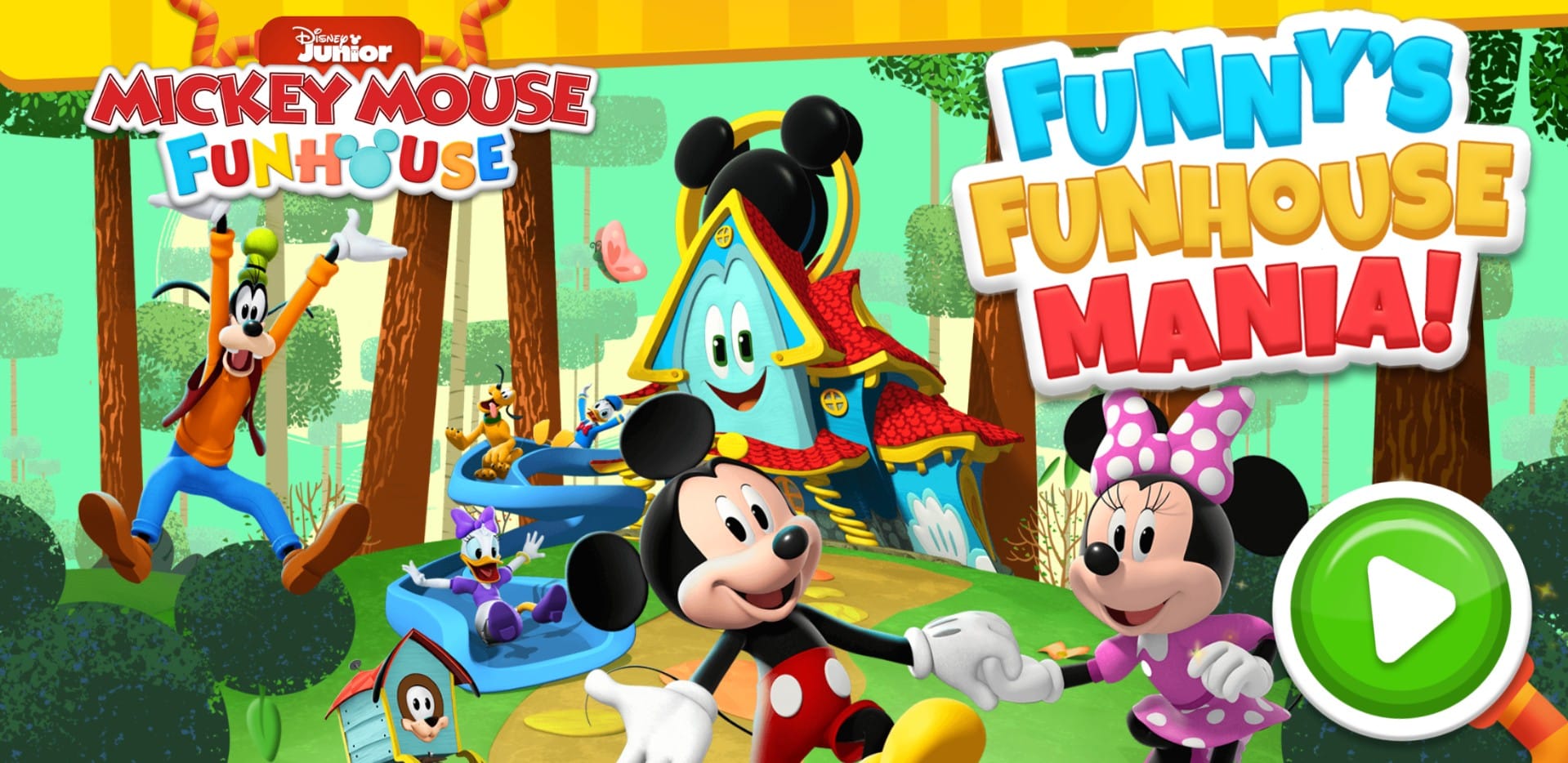
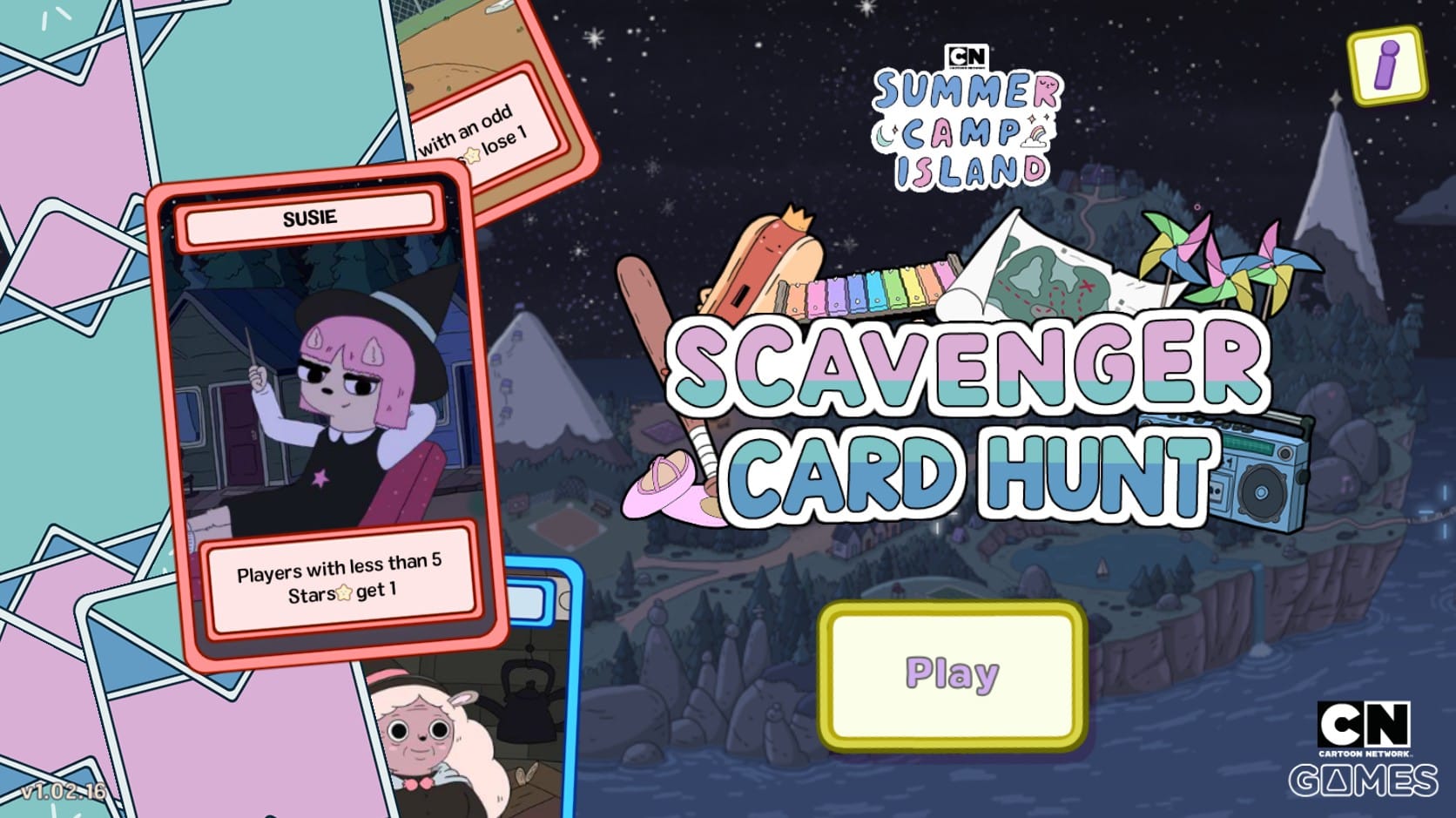
Forestry Games works with branded IP and has brand partnerships including Disney, Nickelodeon, Cartoon Network and Warner Bros. Businesses can license branded game content through Forestry Games for marketing campaigns, game portals, events and apps, alongside the generic catalogue.
Because a branded title stacks a property licence on top of a game licence, the advertising restrictions, approval path and term all need to be raised at the scope stage rather than at integration. The next action is a short one: ask for a licence scope that names the titles, platforms, territories and — for any branded title — the advertising restrictions attached to it, or request a portal demo to see how restricted and unrestricted titles sit alongside each other in a running site.
✅ Run the Adjacency Audit Before the Approval Call
Take your current top ten advertisers by spend. Put the list next to the approval terms for the branded title you are about to license, and mark each one permitted, prohibited, or unclear. That single sheet will tell you more about the deal's economics than any forecast built on a blended rate, and it takes about an hour.
If more than two of the ten come back prohibited or unclear, you do not have a monetization problem yet — you have a pricing and packaging decision, and time to make it. Make it before signature. Afterwards the only lever left is asking the brand for an exception, and that is a conversation nobody wins twice.