You Write the Forecast, Then Owe Half of It: Four Routes to License Branded Games
There are four ways to license branded games for a portal, campaign or event, and they differ far less on price than on who carries the risk when nobody plays.
Most buyers discover this in the wrong order. They pick a character first, get a name for the rights holder, send an email, and only then find out what a brand licence is shaped like. It is not shaped like a software purchase. It is shaped like a bet you underwrite yourself, in advance, using your own numbers.
That shape is the same whether you want one game on a trade-show tablet for three days or a kids' section on a carrier portal running for two years. What changes is whether the shape is a good fit — and for a large share of buyers it is not, which is why a fourth route exists at all.
💰 The Guaranteed Minimum Comes Out of Your Own Spreadsheet
Start with the mechanic that surprises people, because everything else follows from it.
A brand licence typically carries a royalty rate, an advance, and a guaranteed minimum royalty. The royalty rate is the part everyone negotiates. The guaranteed minimum is the part that decides whether the deal can hurt you. IMC Licensing, writing in June 2024, describes the common practice as setting the guaranteed minimum at 50% of projected royalties for the period. Their worked example: $2m of projected sales at a 5% royalty gives $100,000 of projected royalties, so the guaranteed minimum lands at $50,000.
Then the sentence that matters: "Even if the licensee did not sell enough to cover the GMR, they still owe the GMR to the licensor." Sell $800,000 instead of $2m, earn $40,000 in royalties, and you still write a cheque for $50,000. Beat the forecast and you pay the higher figure — earned royalties, not the minimum. The minimum is a floor, never a cap.
Read that from the buyer's chair. The forecast you produce during a hopeful pitch meeting becomes the liability you carry for the term. Optimism is not free in this market; it is priced, halved, and invoiced. Every experienced licensee learns to forecast conservatively and argue the royalty rate up rather than forecast beautifully and argue the rate down — which is exactly backwards from how most first-time buyers negotiate.
This one clause explains most of what follows. Routes one, two and three all end in a signature under a guaranteed minimum. Route four does not.
📈 A Growing Category Is Not a Softening One
It would be reasonable to assume that a bigger licensing market means easier terms. The data suggests the opposite pressure.
Licensing International's 2026 Global Licensing Study, conducted by Brandar Consulting across 1,068 companies in 51 countries and reported in May 2026, put global sales of licensed merchandise and services at $389.8bn for 2025, up 5.45% — ahead of the broader retail market's 4.52%. Character and entertainment licensing reached $161.8bn, growing 8%.
A rights holder whose category grew 8% has no shortage of counterparties. That is the environment you are negotiating in. It does not make brand licensing a bad idea. It does mean the terms are set by people with alternatives, and that a game — one digital line item beside apparel, toys and food — rarely commands special treatment on the paperwork.
🧭 Route One: Straight to the Brand's Licensing Department
You contact the rights holder, you get routed to their licensing team, you make a case, you negotiate a licence.
What it is genuinely good at: exact control. You choose the property. You choose the characters, the territory, the term, the platforms. If the brand is the campaign — the whole creative idea only works with that one character — this is the route that gets it, and no other route reliably will.
What it costs you:
- An advance and a guaranteed minimum, on your own forecast, per the mechanic above.
- Approval rights over your creative, your build, your marketing assets and often your launch date.
- A negotiation measured in months, run by people who negotiate for a living against a buyer who does this once.
- Legal spend that is real whether or not the deal closes.
The honest version: this route rewards scale and repeat volume. If you are placing a single game and cannot commit to meaningful minimums, you will often not get a reply at all — which is not rudeness, it is the maths of the next route.
🤝 Route Two: Through the IP Owner's Licensing Agent
Many properties are represented by an agent rather than handled in-house. You are still signing with the rights holder; the agent brokers it.
Agent economics explain the behaviour you will encounter. UpCounsel's overview of the licensing agent role puts typical agent compensation at 25% to 40% of gross or net royalties per deal, with commissions averaging 30–40% of gross licensing revenue and reaching as high as 50%, alongside retainer-plus-commission and flat-fee variants.
That is paid on the licensor's side, not added to your invoice. But it shapes which deals get attention. An agent earning a share of royalties spends time where royalties are large. A single event game, a six-week campaign, or a small portal section is not where that time goes. Buyers read the resulting silence as a closed door. It is closer to a triage queue.
Good at: reaching properties with no obvious front door, and getting a professional counterparty who knows the paperwork. Weak at: small scopes, short terms and fast turnarounds.
🛠️ Route Three: Commission a Studio to Build It
This is the route buyers most often mistake for a shortcut, because a studio will say yes quickly.
A development studio sells build capacity. It does not sell the right to use a character. Commissioning a bespoke branded game means you still complete route one or route two first, then add a build contract on top — and now two clocks run in sequence: rights, then production, then approvals against a style guide you have not read yet.
Here is the concession that should be obvious but rarely gets said by anyone selling licences: for one flagship game where the mechanic itself is the idea, commissioning is the right answer. If your brief is a custom multiplayer experience built around a product launch, no catalogue contains it and no catalogue will. Budget for the rights conversation, add several months, and commission it properly. That route is not a failure — it is the correct purchase for that brief, and a licensor who tells you otherwise is selling, not advising.
It becomes the wrong answer the moment the requirement is plural. Twelve titles for a portal section, or a rotating set of games across a show circuit, is a volume problem. Volume problems do not get cheaper by adding bespoke builds.
📦 Route Four: License Branded Game Content Through a Games Licensor
The fourth route inverts the sequence. Instead of acquiring rights and then finding a builder, you licence game content from a company that already develops games and already works with branded IP, and the rights relationship sits on their side of the table.
What that changes, concretely:
- The commercial shape. You are agreeing scope with a content licensor, not underwriting a guaranteed minimum drawn from your own forecast.
- The clock. Rights conversations that gate routes one to three are not sitting in front of your launch date in the same way.
- The unit. You can licence breadth. A catalogue conversation covers many titles at once, which a per-property brand licence structurally cannot.
And the trade, stated plainly: you are choosing from what a licensor can offer rather than from every property in the world. If your brief names one specific character and nothing else will do, route one or two is where that ends up. If your brief is "recognisable, age-appropriate, on-brand for a family audience, live in six weeks", route four is built for that and the others are not.
🚫 Route Zero: Decide Whether You Need a Brand at All
Before pricing any of the four, price the option of skipping branded IP entirely.
Branded content buys recognition at the moment of first contact — the thumbnail, the booth banner, the portal tile. That is worth real money when your problem is getting a stranger to start. It is worth much less when your problem is retention, because after the first minute the game is judged as a game.
So ask what job you are hiring the brand to do. Filling a portal's arcade section, giving a booth something to draw a queue, or adding play to a loyalty app are jobs a strong generic catalogue does well, and a licensed character adds cost without adding much. Launching a campaign whose entire creative premise is a character, reaching an audience that only stops for something familiar, or satisfying a brand partner who is paying for their own IP to appear — those genuinely need branded content.
The failure mode is buying a brand to compensate for a weak plan. It does not work, and it is the most expensive way not to work.
🧾 Three Scenarios, Decided
A trade-show booth in six weeks. Routes one and two are out on the calendar alone; a negotiation cannot reliably close and clear approvals in that window. Route three can build fast but cannot grant rights fast. Route four or route zero. Most booths do better with a well-chosen generic game and strong booth branding than with a character licence that arrives late — see the practical constraints in our notes on games built for trade show stands.
A kids' section on a carrier portal, live for two years. Recognition matters at the tile, the term is long, the volume is plural. Route four for the bulk of the section, with route one considered only if a single hero property is worth carrying a guaranteed minimum for two years. Family-friendly breadth is the requirement — the kind of thing you would size from a cartoon and character-style games catalogue before you ever talk terms.
A brand's own always-on hub, funded by the brand. The rights already exist inside the client. Now you need build capacity and a portal, not a licence: route three for the hero title, plus a licensed catalogue underneath it to keep the hub populated between campaigns.
📋 Nine Questions That Pick the Route for You
- Does the brief name one specific property, or a category of feel?
- What is the live date, and is it fixed by an event you cannot move?
- One title, or many? If many, how many per quarter?
- Can you carry a guaranteed minimum if the traffic plan underperforms?
- Who signs off on creative, and how many approval rounds does your calendar allow?
- What territories, and does anyone check them at play time?
- What formats — web build, Android APK, both — and on whose hosting?
- What happens at term end: do the games come down, and who removes them?
- Is the brand doing recognition work, or covering for a thin acquisition plan?
Answer one, three and four honestly and the route usually picks itself. Buyers who skip four are the ones who end up litigating a minimum they never earned.
🎯 What a Licence Covers When You License HTML5 Games From a Direct Licensor
Forestry Games has operated since 2017 and licenses a catalogue of 1,049 titles, developed in-house as well as sourced, with titles also published on Google Play and the Apple App Store. A licence conversation covers scope rather than a single file handover: which titles, which territories, which platforms, how long, and in which formats — HTML5 builds for web, portal and embedded placements, Android APK builds for stores, operator channels and device fleets, and source where a deal calls for it.
Catalogue depth matters for a specific reason: a portal section, a carrier deck and an event circuit each need different subsets, and pulling them from one licence beats running three supplier relationships. Branding, hosting options and white-label portal delivery sit in the same conversation. If you want to see the range before scoping anything, browse the catalogue or start with the HTML5 games available to license.
🧸 Licensing Branded Games for Campaigns, Portals and Events
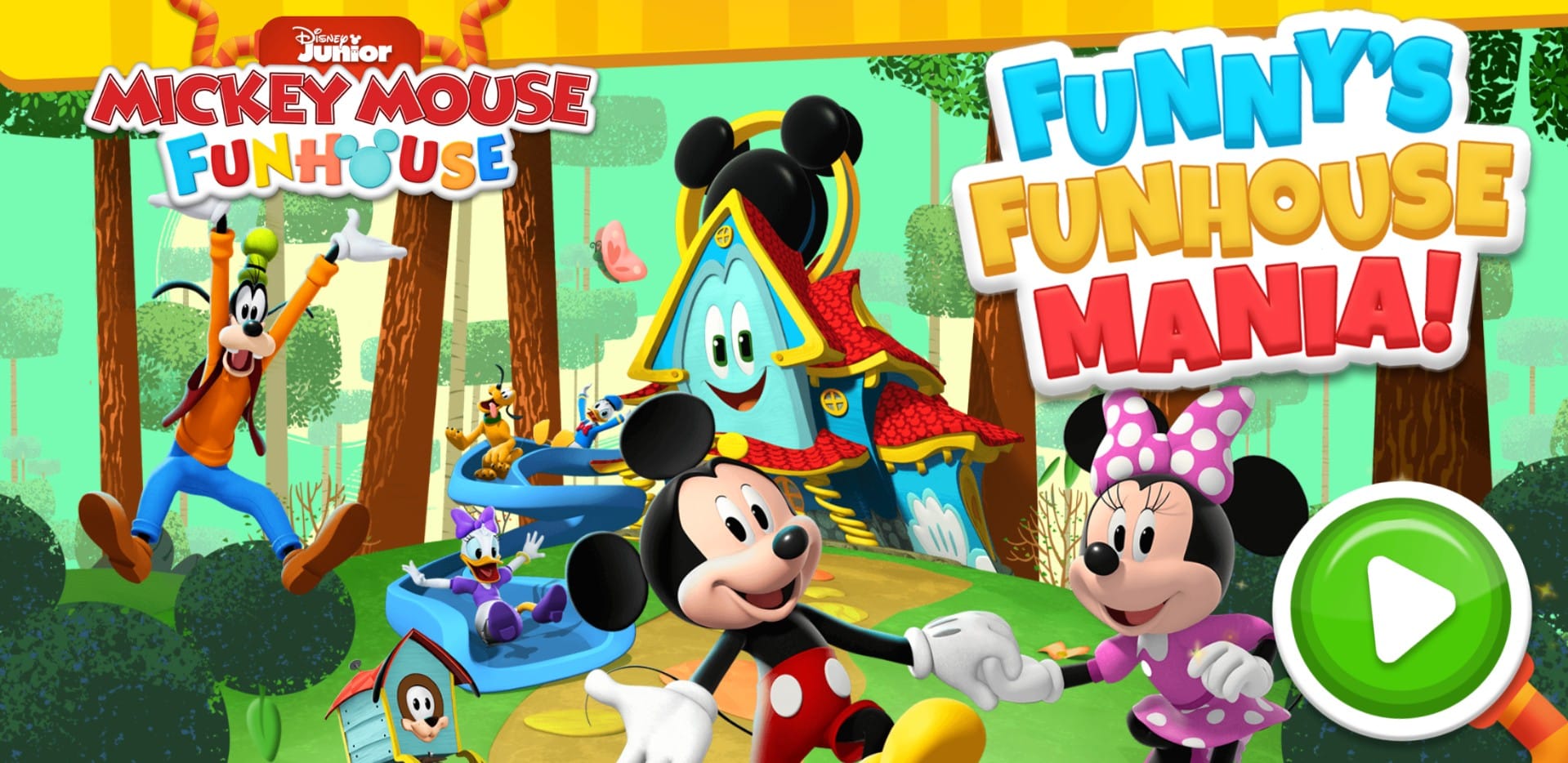
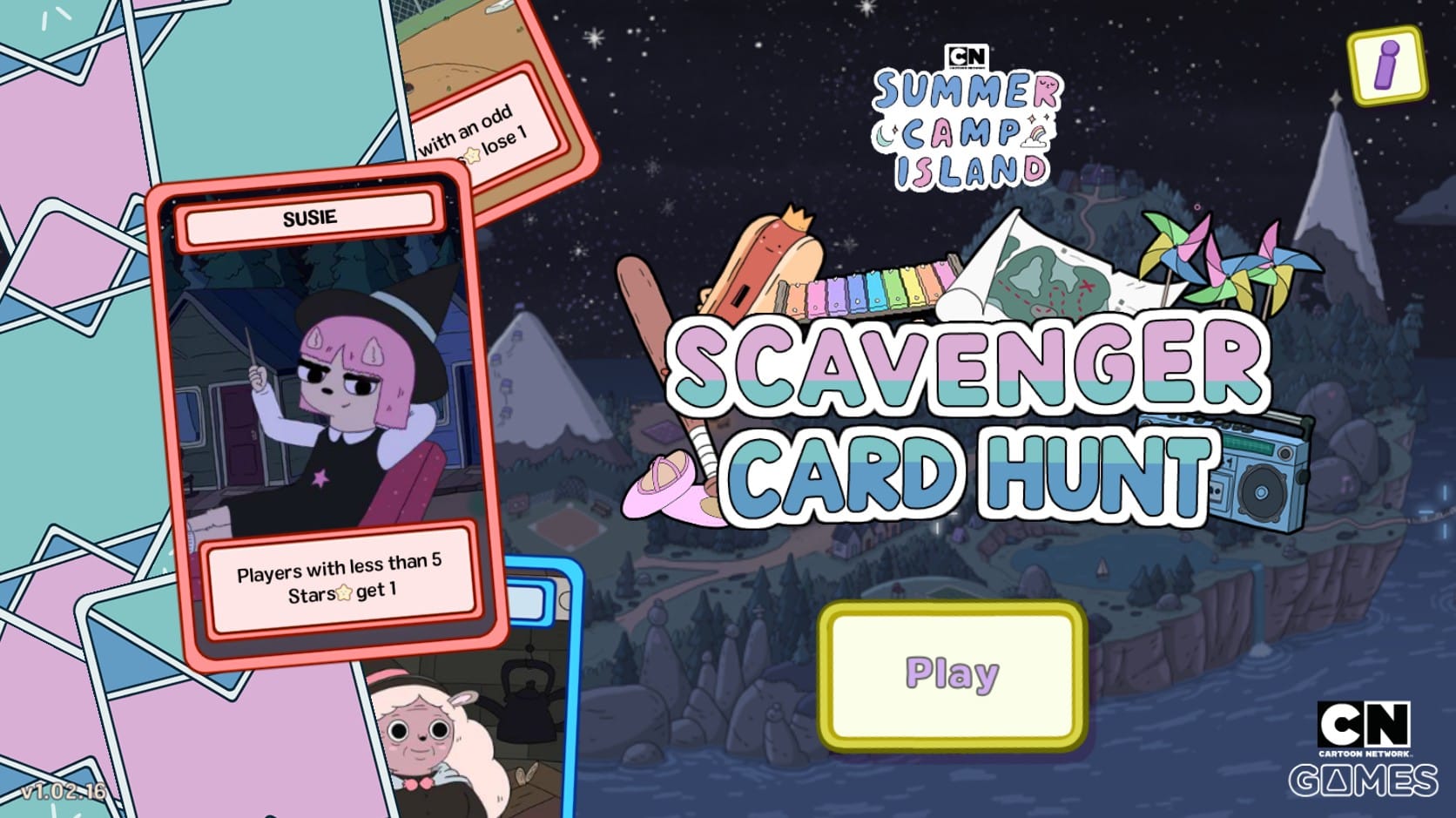
Forestry Games works with branded IP and has brand partnerships including Disney, Nickelodeon, Cartoon Network and Warner Bros. Businesses can license branded game content through Forestry Games for marketing campaigns, white-label and operator portals, trade-show and event activations, and mobile apps — alongside generic catalogue titles in the same scope.
That is the capability, not a promise about any particular property: what is available for a given brief, territory and term is a scoping question, and the honest answer to it arrives faster than a brand negotiation does. Bring the brief — audience, live date, formats, territories — and ask for a licence scope, or request a portal demo if the games are going into a destination you are building.
✅ Price the Guaranteed Minimum Before You Fall in Love With the Character
The character is the fun part of the brief and the last thing you should fix. Fix the four constraints first: live date, title count, format, and how much downside your budget can absorb if the traffic plan misses. Those four decide your route before any creative conversation happens, and reversing that order is what puts buyers under minimums they cannot earn out.
Run the nine questions against your current brief this week. If the answers point at breadth, speed and a fixed budget rather than one irreplaceable character, that is a licensing conversation, not a negotiation — start with the catalogue and ask for a scope against your dates.