Film and TV Slipped to 33% of Character Licensing. Look at the Other 34% Before You License Branded Games.
Before you license branded games, check availability before fame: anime, video-game and comic IP now out-earn film and TV inside character licensing. Here is how to pick a property you can actually get, on the platforms and in the markets you serve.
Most branded game briefs I see name one property. A film franchise, usually, or whatever the marketing director's kids are watching. The brief then describes the game, the launch date, and the budget, and treats the brand as a procurement detail — something the agency will "go and secure" while the build gets scoped.
That sequence is backwards, and it costs quarters. The property you pick sets your approval load, your territory footprint, your calendar and your platform rights. Pick it last and you inherit all four as constraints on a plan you have already sold internally.
There is also a structural shift worth knowing about before your next brief. The mix of properties generating licensing revenue has changed, and the change points away from the category most briefs default to.
📊 The Property Mix Moved, and the 2026 Study Says by How Much
Licensing International published the executive summary of its 2026 Global Licensing Industry Study on 19 May 2026. Global sales of licensed merchandise and services reached $389.8 billion in 2025, up 5.45% year on year, against nominal global retail growth of 4.52%. The study was conducted by Brandar Consulting across 1,068 companies in 51 countries.
The number that matters for a games buyer is inside the Character/Entertainment segment, which grew 8% to $161.8 billion. Within that segment, Anime, Video Games, Comics, Social Media and Other properties now account for a combined 34% of licensing revenues — slightly ahead of Feature Films and Scripted & Unscripted TV at 33%. Sports was the fastest-growing property category overall, up 8.5% to $44.4 billion and now 11.4% of the total market, its highest share on record. Regionally, North Asia led at +14.1%, driven by box office, video games and anime streaming across Japan, South Korea and China.
Be precise about what that study measures. It measures retail sales of licensed merchandise and services. It does not measure how easy any given property is to license, what a game licence costs, or whether an interactive grant is even available. A property can be enormous in retail and completely closed to you for a web game in your territory. Treat the 34/33 split as a signal about where licensing activity is concentrating, not as a shopping list.
The signal is still useful. For roughly a decade the default assumption in campaign work was that the licensable properties with real audience pull were films and scripted television, and everything else was a niche. That assumption is now out of date by the licensing industry's own numbers.
🧭 Availability Beats Fame, and It Is Not Close
A property you can actually license, on your platforms, in your territories, inside your calendar, will outperform a bigger property you spend five months failing to secure. This is obvious written down and almost never reflected in briefs.
The reason is that fame and availability are governed by different things. Fame is a function of box office, streaming reach and cultural moment. Availability is a function of whether the rights holder has already granted digital game rights in your category to someone else, whether your territory sits with a regional sub-agent, whether the property is inside a release window that locks the calendar, and whether the licensor's approvals team has capacity this quarter.
None of that is visible from outside. You find out by asking, early, with a brief specific enough to get a real answer. More on what that brief contains further down.
🗂️ Five Property Types, and What Each One Is Good For
These are practitioner categories, not legal ones, and the boundaries blur. But they behave differently enough that treating them as one pool is the root of most wasted time.
🎬 Feature film and scripted TV: a window, not a property
A theatrical or streaming tentpole gives you the biggest single spike of attention available, and it gives it to you on somebody else's date. The game is a marketing beat inside a release plan, which means the calendar is fixed before you arrive, approvals run through a studio team serving a dozen other licensees at the same moment, and the useful commercial life of the game is often measured in weeks either side of the release.
Right answer for: a campaign with a fixed launch that is already synced to the release. Wrong answer for: a portal that needs the title to still be earning in eighteen months.
📺 Evergreen kids' and preschool TV: built for repeat licensing
Long-running kids' properties are the most licensing-literate counterparties in the market. The style guides are mature, the approval process is documented, the brand teams have seen a game before, and the property does not expire in November. That predictability is worth a great deal when you are putting a title into a portal rather than a campaign.
The cost is compliance. Kids' properties bring privacy rules, advertising restrictions, age-rating obligations and stricter creative approvals, and those apply to your ad stack and your data collection as much as to the artwork. If you are building a catalogue of branded cartoon game titles, price that compliance work into the project from the start rather than discovering it at legal review.
🎌 Anime and comics: large audience, fragmented rights
This is the growth story in the 2026 study, and North Asia's +14.1% is largely it. It is also the property type where "who do I even ask" is a genuine question. Japanese anime is commonly financed through production committees, which means rights can sit across several corporate parties, and international game rights are frequently handled by regional agents rather than by the party whose logo is on the show.
Budget more time for the rights-tracing step here than anywhere else. When it works, you get an audience with unusually high tolerance for repeat engagement — good for portals — but a partial territory grant is a common and unpleasant outcome.
🕹️ Video-game IP: the counterparty already speaks your language
Licensing a game brand into a game is the shortest conceptual conversation you will have. The rights holder understands builds, platforms, updates and telemetry without being taught. Licensing International's own reporting on the category, in an October 2025 piece on digital gaming and licensing, points to arrangements like Hasbro's "partner-first" model, where developers pitch concepts and marketing and content roadmaps are co-developed during production rather than bolted on.
The catch is standards. A fan base that plays games all day will judge a casual web build against games it already plays, and the rights holder knows that. Expect the creative bar to be higher than for a licensed property whose audience has no gaming reference point.
📱 Creator and social IP: fast to close, structurally fragile
Creator-led properties close faster and cheaper than anything else on this list, and the audience is real. They also carry risks the other four do not: the property is a person, there is often no style guide to work from, the brand-safety exposure sits with an individual's public behaviour, and the attention half-life can be short enough that an eight-month build is a bad idea by construction.
Use them for short campaigns with quick production cycles. Be careful about anchoring a portal's long-term identity to one.
🌏 North Asia Grew 14.1%. That Is Not the Same as Your Territory Being Available.
Regional growth figures get read as availability signals, and they should not be. A property performing strongly in Japan tells you the rights holder is busy and the property is valuable. It tells you nothing about whether the MENA grant is free, and quite often the opposite: successful properties get carved into regional exclusives early.
The practical move is to bring your territory list to the first conversation, ranked, with a stated minimum. "We need Gulf states plus Egypt, and the deal does not work without Saudi Arabia" gets you a straight answer in one call. "Global, ideally" gets you a proposal three weeks later that excludes your two most important markets.
The same applies to platforms. Web, Android APK, iOS, smart TV, kiosk and in-app embedding are frequently separate grants. Do not assume a licence that covers your website covers the APK you were planning to put in an operator store.
🗓️ The Property Type Sets the Calendar Before the Studio Does
Once the property is chosen, most of your schedule is already decided. A tentpole film licence hands you a launch date you cannot move and an approvals queue you share. An evergreen kids' property gives you flexibility on the date and a stricter creative review. Anime adds a rights-tracing phase and often a translation step in the approvals loop itself. Game IP tends to be the fastest to align creatively. Creator IP is fastest to sign and fastest to go stale.
If you are commissioning a bespoke branded build, add the approval rounds to the production plan as named milestones with owners on both sides. If you are re-skinning an existing HTML5 title — the faster and more common route for campaign work — the same approval rounds apply, they just land against a build that already exists, which is why re-skins usually hit dates that bespoke builds miss.
🚫 Five Ways a Branded Game Brief Wastes a Quarter
- One property named, no alternates. If the answer is no, or the territory is carved, the project restarts. Bring three candidates ranked by fit, not one by preference.
- Platforms scoped after the licence. Web, APK, iOS and embedded placements can be separate grants. Discovering that after signature turns a licence renegotiation into a launch delay.
- Assuming a merchandise or promotional licence covers a game. It usually does not. An interactive grant is its own category, and a promotional-use grant often carries a no-revenue condition that quietly kills your monetization plan.
- Budgeting the licence fee and not the approvals headcount. Somebody on your side has to run submissions, chase feedback and version assets. That is a real role for the duration of the build, not a task for whoever is free.
- Picking a property whose audience does not match the traffic you own. A preschool property on a portal whose audience is adult puzzle players will underperform a generic title in the same slot. Match the property to your distribution, not to the meeting.
📋 The One-Page Brief That Gets a Real Answer
Rights holders and their agents answer specific briefs quickly and vague ones slowly. Put these on one page before the first call:
- Category: interactive digital game, and whether it is bespoke or a re-skin of an existing title.
- Platforms: every surface, named. Web, Android APK, iOS wrapper, smart TV, kiosk, in-app iframe.
- Territories: ranked, with the minimum viable set stated explicitly.
- Term: and whether you need a sell-off or run-off period at the end.
- Exclusivity: what you actually need, which is usually far less than what gets asked for.
- Distribution and monetization: free-to-play with ads, subscription, carrier-billed bundle, or unmonetised campaign placement. Say it plainly — this is the field that most often changes the answer.
- Approval capacity: your turnaround commitment and the named person responsible.
- Dates: target launch and the hard stop, separately.
This is the same discipline that makes a generic catalogue conversation go quickly. If you are scoping a campaign build rather than a portal, the same eight fields work for branded marketing games and for event and booth builds.
🎯 How Licensing Works When You Buy HTML5 Games From a Direct Licensor
For the non-branded portion of your catalogue — which for most portals is the large majority of it — the process is considerably simpler, because there is no third-party rights holder in the loop. Forestry Games has operated since 2017 and licenses a catalogue of 1,049 titles spanning HTML5 games and Android APK games, with titles also published on Google Play and the Apple App Store, and develops HTML5 games in-house.
A licence from a direct licensor covers what you need to actually ship: HTML5 builds for web and embedded placements, APK builds where the Android route matters, source where applicable, branding options, and hosting either on your infrastructure or on the licensor's. Because HTML5 and Android sit in the same conversation, you settle format, territory and term once rather than running two procurements. You can browse the catalogue by category, or start from the HTML5 game licensing and Android game licensing pages to see how the formats are structured before you scope a deal.
🧸 Licensing Branded Games for Campaigns, Portals and Events
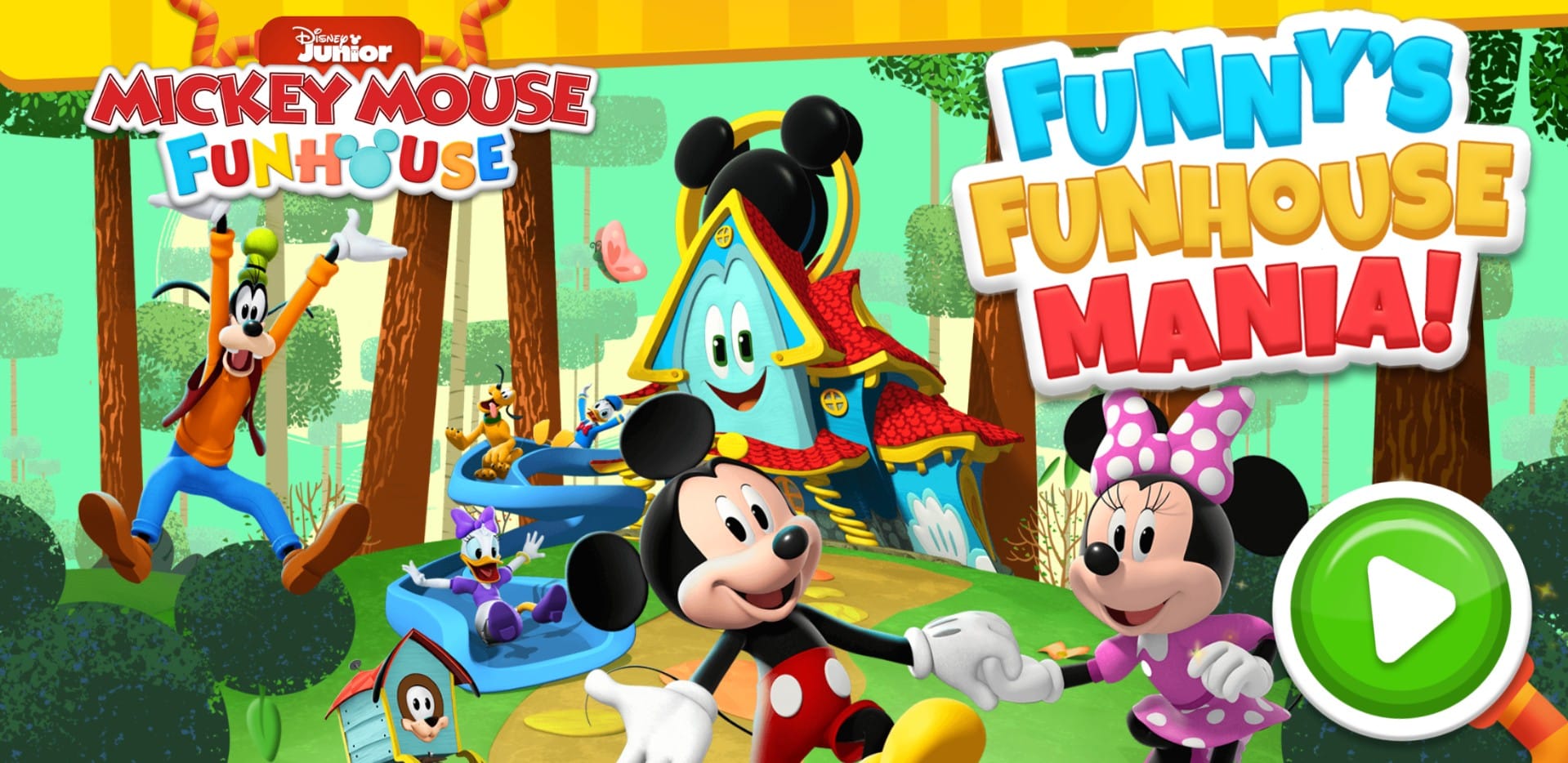
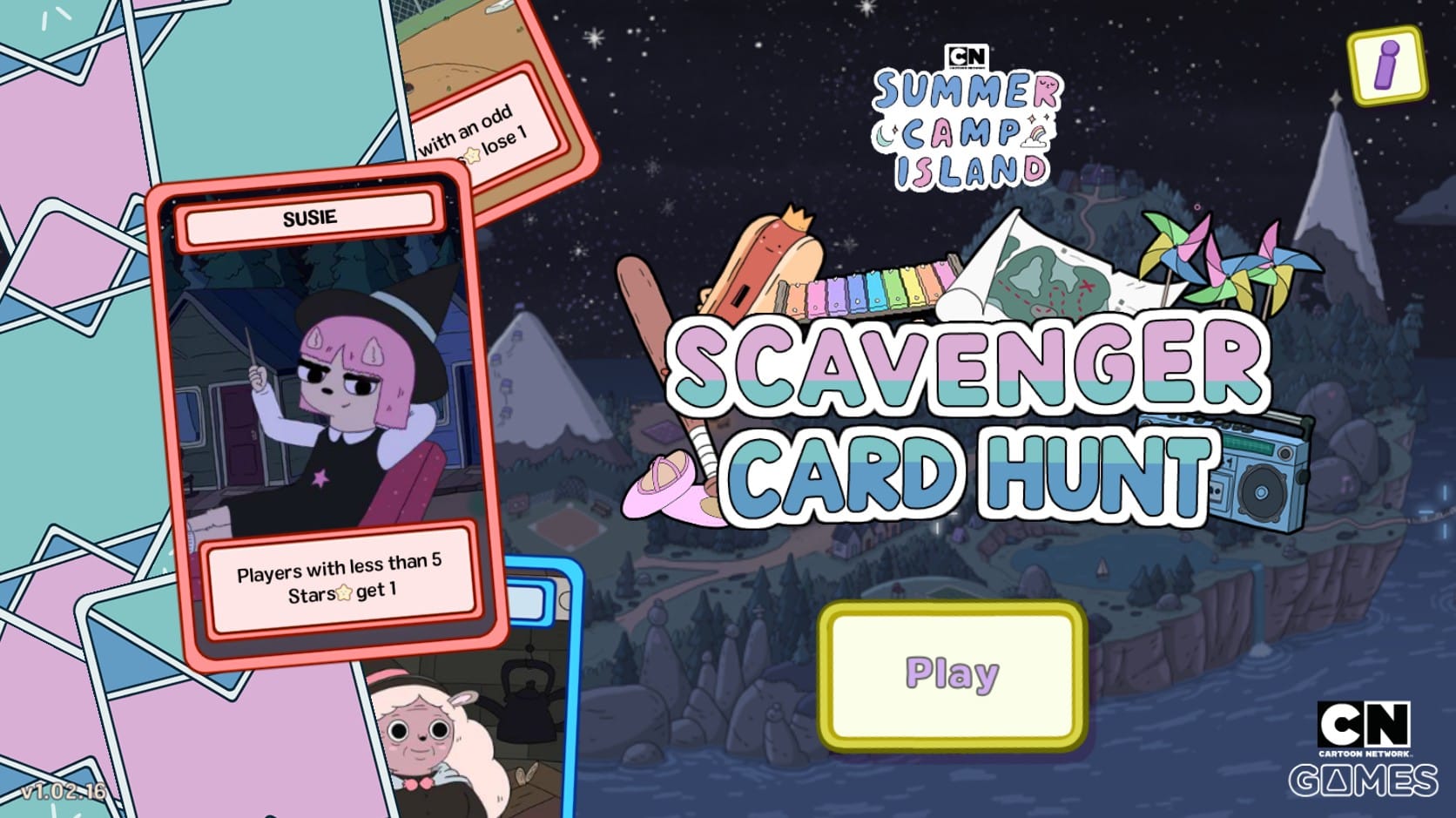
Forestry Games works with branded IP and has brand partnerships including Disney, Nickelodeon, Cartoon Network and Warner Bros. Businesses can license branded game content through Forestry Games for marketing campaigns, white-label game portals, events and mobile apps, alongside the general catalogue. That means the branded and non-branded parts of a portal can be scoped in one conversation rather than through separate suppliers with separate approval routes.
If you have a campaign or a portal with a date attached, the useful next step is to send the eight-field brief above and ask for a licence scope against it. If you are sizing a white-label game portal instead, ask for a portal demo and a catalogue mapping against the audience you already have.
🧭 Pick the Property in Week One, Not Week Nine
Mobile is a mature market now — Sensor Tower's State of Gaming 2026, published in February 2026, put mobile game revenue at $82 billion for 2025, up just 1% year on year, and frames live ops, events and IP collaborations as the tactics operators are using to hold the players they already have. Branded content is one of the few levers that still reliably buys attention in that environment. It only works if the property is one you can actually license on the platforms and in the markets you serve.
So make property selection the first decision, not the last. Draw up three candidates across different property types, write the eight-field brief, and send it before the build is scoped. Then decide how the branded titles sit alongside the rest of your catalogue — because a portal carried entirely by one licensed property is a portal with a single point of failure, and the fix is a base catalogue underneath it. Send a licence scope request with your platforms and territories named, and you will know inside a week whether the brand you want is the brand you can have.