"White-Label" Is Four Different Purchases. Decide Which One Before You License HTML5 Games.
Before you license HTML5 games under your own brand, decide which white-label tier you are buying — portal skin, in-build branding, reskin, or bespoke build. The four tiers touch different files, carry different rights, and sit a long way apart on price.
"White-label" is the most-used word in my inbox and the least specific. It describes a commercial outcome — your brand on the front, the supplier's name nowhere — and says nothing at all about which files change. Two suppliers can both answer "yes, we white-label" and be quoting products that differ by two orders of magnitude.
That is not evasiveness on the supplier side. The word genuinely covers four separate deliverables, and each one is normal to sell. The failure is on the brief. If your RFP says "white-label HTML5 games" and nothing else, you will get back three quotes that cannot be compared, pick the cheapest, and discover in week six that it does not do the thing your marketing director already presented to the board.
🪜 One Word, Four Products, In Order of What They Touch
Sort them by how deep into the stack the customisation goes. Every supplier does at least one of these. Very few do all four well, and none of them do all four for the same money.
Tier 1 — The portal skin: your brand, their games, untouched
This is the white-label game portal in its literal sense. You get a games site — domain, logo, colour system, navigation, categories, search, account handling, sometimes billing — and the licensed catalogue drops into it in iframes. Nothing inside any individual game changes. A player who opens a title sees exactly the build that runs on twenty other portals.
This is what most operators actually need, and it is the tier most often under-specified because it sounds too easy. It is not easy: taxonomy, on-site search, localisation, thumbnails and the account layer are where a portal wins or loses. But it does not involve editing a single game asset.
Tier 2 — In-build branding: logo, splash, exit
Here the licensor edits the wrapper inside the build. Your logo appears on the loading screen. The splash carries your colours. The exit button points back to your portal rather than the developer's site. Occasionally a preloader animation or an in-game "more games" link is repointed at your catalogue.
The gameplay art is identical. The characters, backgrounds and UI chrome are the ones the developer shipped. What you have bought is the first and last five seconds of the session — which, for a portal or a carrier deck, is often the only part a player consciously attributes to anyone.
Tier 3 — The reskin: new art, same machine
A reskin replaces the visual layer and keeps the code. Famobi, which publishes its reskin service openly, describes the range as running "from logo replacements to a full visual overhaul including characters, backgrounds and items", with pricing quoted per title on enquiry. That per-title quoting is the important detail: a reskin is a small art project with a delivery date, not a catalogue-level toggle.
Cost scales with what the art is made of. Swapping the card faces and table felt in a solitaire title is a contained job. Replacing characters and environments in a WebGL build with rigged animation is a different exercise entirely, and any supplier quoting both at the same price has not looked at the second one.
What a reskin does not change: the mechanic, the level design, the difficulty curve, the session length. If the base game does not retain players, a reskin produces a beautifully branded game that does not retain players.
Tier 4 — Bespoke build: the only tier where you own something
A game commissioned to your brief, built for you, with the IP position defined in the contract. This is the only tier where you can plausibly end up owning the code, the art and the right to move the game anywhere later.
It is also the only honest answer for some buyers. If the game is the product — a daily puzzle you intend to build a subscription on, a mechanic that has to carry a specific product story no existing title tells — licensing and reskinning will not get you there, and you should commission or build. Say that out loud early. A supplier who tells you a reskin covers it is selling you tier 3 against a tier 4 requirement.
🤖 The Android version of all four tiers
The same ladder exists when you buy Android games, with two extra variables that do not appear on the web side. Whose package name is it, and whose signing key ships the APK? Under APK game licensing you can get a build published under the licensor's developer account with your branding inside, or a build handed over for you to sign and publish under your own account. Those are very different positions on store liability, review responsibility and what happens if the relationship ends. Settle it in the same conversation as the branding tier, not afterwards.
💵 The Money, With the Numbers Sources Actually Publish
Public pricing in this market is thin, and what exists comes mostly from vendor-side write-ups rather than audited benchmarks. Treat the following as order of magnitude, not as a quote.
On the licence itself, Genieee's State of HTML5 Game Licensing in 2025, published 10 May 2025, puts non-exclusive per-game licences at $200 to $2,000, exclusive licences at $3,000 to $15,000+, and revenue-share arrangements in a 30–70% band with 50/50 common. Those are per-title figures for a licence, before anyone touches an asset.
At the other end, a May 2026 cost guide from Infantex puts simple browser-based and HTML5 custom builds at $5,000 to $25,000 over 4–8 weeks, mid-range custom games at $25,000 to $100,000 over 3–6 months, and full-scale productions above $100,000 over 6–18 months or more.
So the ladder runs from a few hundred dollars for a non-exclusive licence you skin at the portal level, to six figures for a game you commission. Tier 2 and tier 3 sit between those, quoted per title, on top of the licence fee rather than instead of it. That last point catches people out more than any other: a reskin quote is almost never inclusive of the right to use the game.
The practical consequence is a budgeting rule. Tier 1 costs scale with your catalogue size and your platform work. Tiers 2 and 3 scale with the number of titles you customise, which you control, and which should almost never be the whole catalogue.
🔒 A Reskin Is Not Exclusivity, and Buyers Keep Assuming It Is
The most expensive misconception in this whole area: paying for new art does not remove the original from the market. On a non-exclusive licence, the base game continues to be licensed to anyone who wants it, under its own name, with its own art. Your reskin is an additional dressing on a title that still exists elsewhere.
There are three separate questions here and they get collapsed into one:
- Who owns the new art? Usually negotiable, often the licensee if you asked. Get it in writing before the files are drawn, not after.
- Is the mechanic exclusive to you? Almost never, unless you bought an exclusive licence at exclusive prices.
- Can anyone else commission the same reskin? Your specific art, no. A different reskin of the same base game, yes — routinely.
None of that is a problem. Casual players do not audit mechanics across portals. It is only a problem when a buyer has been allowed to believe otherwise and finds out from a competitor's launch.
🧭 Five Scenarios, Matched to a Tier
A carrier needs 200 titles live on an operator portal in six weeks. Tier 1, and only tier 1. Reskinning at that volume cannot be scheduled inside six weeks and would not move a single VAS metric. Spend the budget on localisation and the category structure instead.
A bank wants one game carrying its mascot for a summer campaign. Tier 3. The mascot is the entire point; in-build logo placement will not carry it. Pick a base game with a mechanic that survives an art change — match-3, runner, card, physics puzzle — rather than one whose charm lives in its specific characters.
A trade-show booth needs a game for a two-day show. Tier 2 usually clears the bar. Attendees are standing at your stand, under your banner, next to your staff; the branding context is already overwhelming. Go to tier 3 only if the mechanic itself has to demonstrate the product. This is the tier decision behind most booth and event game briefs.
A news publisher adds a games section. Tier 1. Readers arrive from your masthead and leave to your homepage. Every euro spent on reskinning here is a euro not spent on the traffic plan, which is the thing that actually decides whether the section works.
A company wants a daily puzzle to build a subscription around. Tier 4, honestly. When the game is the retention product and the roadmap needs to keep moving for years, you need a build you control. Licensing can fill the surrounding arcade; it should not be the core.
🚫 Five Ways Buyers Get This Wrong
- Comparing quotes that are different products. Three suppliers, three tiers, one spreadsheet column called "price". The cheapest wins and is not what you asked for.
- Reskinning the whole catalogue. Customisation cost is linear in titles and the return is concentrated in the handful of games that actually get played. Reskin your top five after you have three months of play data, not on day one.
- Buying art before buying traffic. A branded portal with no acquisition plan is a branded portal nobody sees. Tier 1 plus a real traffic plan beats tier 3 plus hope, every time.
- Changing the art and forgetting the strings. Leaderboard labels, share text, the exit link, the page title, the store listing, the manifest name. Reskins routinely ship with the original title still visible in four places.
- Not asking what happens at renewal. If the licence lapses, does your commissioned art lapse with it? If the licensor patches the base game for a browser change, does your reskin get the patch or quietly rot?
📋 Six Questions That Pin the Tier Down
Put these in the first email. They take a supplier ten minutes to answer and they end the ambiguity immediately.
- Which files change in this quote — the portal wrapper, the build wrapper, or the gameplay assets?
- Is customisation quoted per title or per batch, and how many revision rounds are included?
- Is the reskin price on top of the licence fee, and what is the licence fee separately?
- Who owns the customised art at the end, and does that survive the licence term?
- If you patch the base game — browser change, ad SDK change, security fix — does our customised build receive that patch, and at what cost?
- For Android: whose developer account publishes it, and whose key signs it?
A supplier who answers all six crisply is telling you they have done this before. A supplier who answers "yes, fully white-label" to all six is telling you something else.
🎯 What You Get When You License HTML5 Games From a Direct Licensor
Working with a direct licensor rather than a resale layer means the tier conversation happens with the people who hold the files. Forestry Games has operated since 2017 and licenses a catalogue of 1,049 titles spanning HTML5 builds and Android APK builds, with source available on applicable titles. A licence conversation covers the scope you need — platforms, territories, term, domains — and the branding tier is settled in the same discussion rather than bolted on later.
For most buyers the practical shape is a catalogue licence delivered into a white-label game portal, with in-build branding on the titles that carry your identity and full reskins reserved for the few that need them. Because HTML5 and APK sit under one licence conversation, you do not run two procurement tracks to put the same games on a website and in an app. You can browse the catalogue, license HTML5 games by scope rather than by title, or ask for a licence scope before you write the brief.
🧸 Licensing Branded Games for Campaigns, Portals and Events
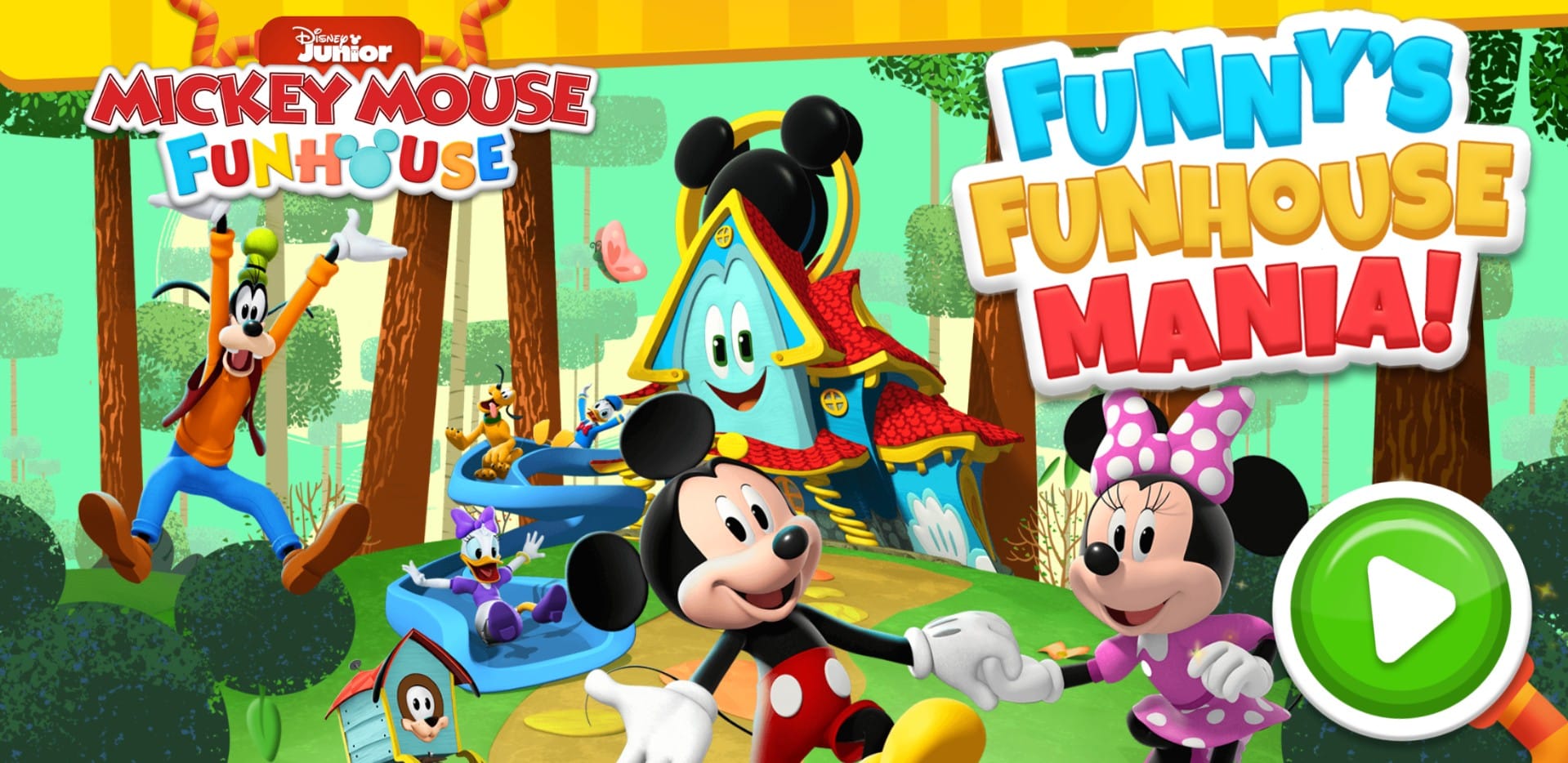
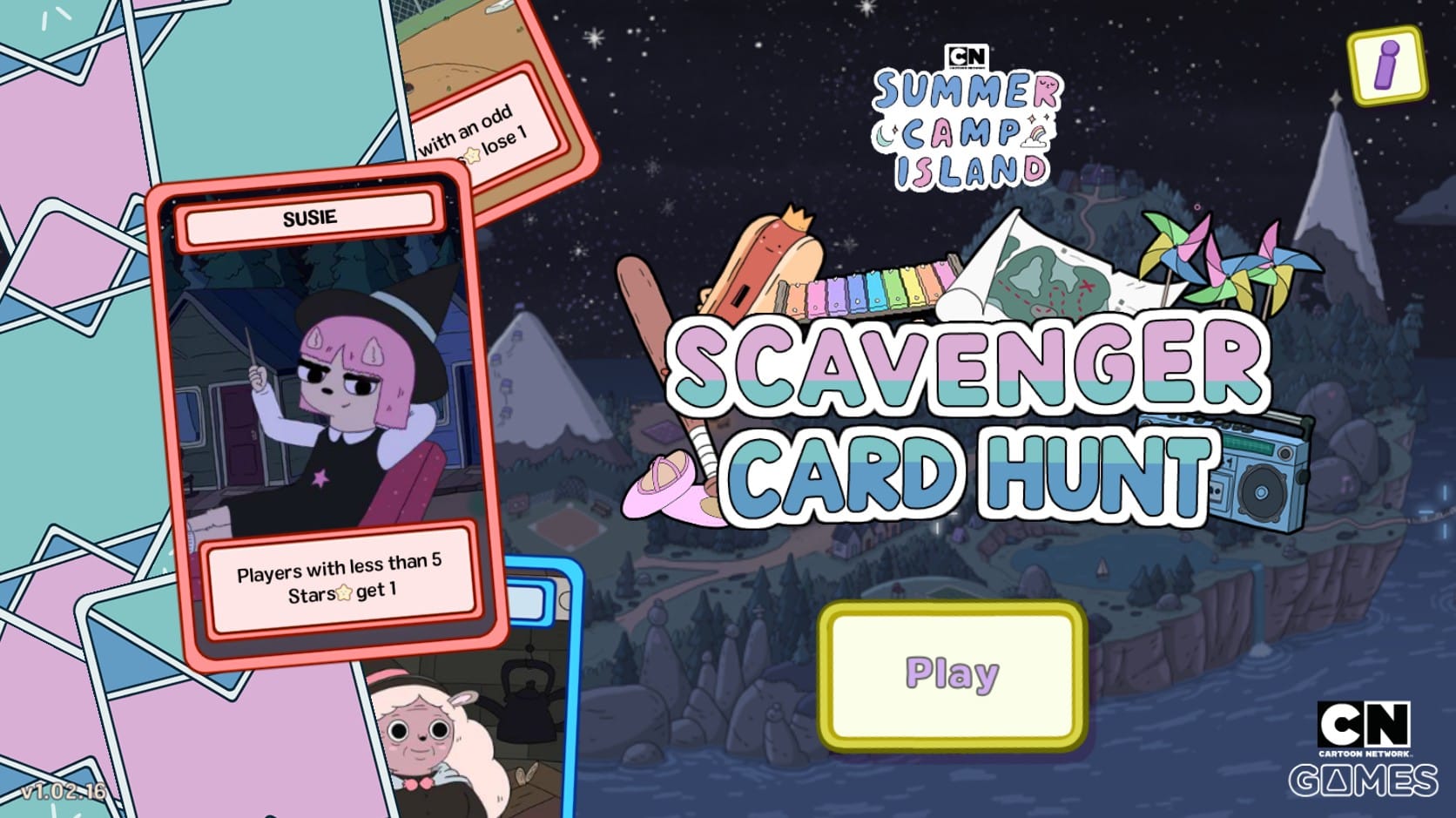
Some briefs do not need a reskin — they need a character audiences already recognise. Forestry Games works with branded IP and has brand partnerships including Disney, Nickelodeon, Cartoon Network and Warner Bros, and businesses can license branded games through it for campaigns, portals, events and apps.
A branded licence sits outside the four tiers above. The property owner sets what may be changed, and approval cycles are part of the schedule rather than a formality at the end. Start that conversation earlier than you would for a generic reskin. If a branded property is in scope for your next campaign or portal launch, ask for a licence scope against your specific platforms, territories and dates — or request a portal demo and see the delivery shape before you commit.
✅ Name the Tier in the First Email
The whole problem collapses if you write one extra sentence in the brief. Not "we need white-label HTML5 games" but "we need a branded portal wrapper across the catalogue, in-build logo and splash on the top twenty titles, and a full art reskin on one title for the September campaign."
That sentence makes quotes comparable, makes the schedule realistic, and tells you within a day whether a supplier can actually do the job. Write it before you send the RFP. Then go and look at the actual games — because the tier you need depends on which titles you want, and that is a question nobody can answer from a spreadsheet.