The Royalty Percentage Is the Least Interesting Number in a Character Licence
Licensing a cartoon character for a game costs you a minimum guarantee before a single player arrives. That advance, not the royalty rate, decides the deal. Operators spend weeks arguing a licensor down from 12% to 9% and then sign a minimum guarantee they will never earn out, on a definition of "net receipts" they never read closely, with a term too short to amortise the build. The percentage is the part everyone understands, which is exactly why it is the part that gets negotiated. Here is what the rest of the sheet actually does to your economics.
💰 A Minimum Guarantee Is a Bill, Not a Target
The minimum guarantee — MG, sometimes called the advance — is the floor payment the licensor receives whether your game earns anything or not. The Legal Moves Law Firm trademark licensing guide (February 2026) describes it as a guaranteed minimum royalty payment, paid up front, on a schedule, or trued up later if earned royalties fall short. Its companion piece on licensing deal financial terms (June 2026) puts advances on IP licensing deals at $15,000 and up.
Most licensees hear "advance against royalties" and file it mentally as a cash-flow item. It isn't. It is an advance only if you earn it out. If you don't, it was a fee, and you paid it for the privilege of shipping.
The arithmetic is worth doing before the call, not after. Take a $15,000 MG against a 10% royalty on net receipts. To earn out, the licensed titles have to generate $150,000 of net receipts. Not $15,000. Not gross. One hundred and fifty thousand dollars of the specific revenue base the contract defines, attributable to the specific games carrying the character.
That is the number to sanity-check against your traffic, and it is usually the moment the room goes quiet.
🧮 What $150,000 Looks Like in Web Ad Impressions
Web advertising rates make the earn-out concrete. AppLixir's mid-2026 review of its own network reports a global rewarded-video eCPM of $3.62, $6.20 across tier-1 geos, and $6.98 in the US — with fill at 95.1% and completion at 93.8% globally. Rewarded video is the best-paying format on the web. These are the good numbers.
Run the earn-out against them:
- At a $3.62 global eCPM, $150,000 of rewarded-video revenue takes roughly 41 million completed impressions.
- At the $6.20 tier-1 rate, roughly 24 million.
- At the $6.98 US rate, roughly 21.5 million — assuming a US-only audience, which almost nobody has.
Those are impressions, not sessions, and they have to come from the branded titles alone. AppLixir also reports a 97% opt-in rate on its network; treat that as the ceiling a specialist network hits with well-placed prompts, not as a planning assumption for your own portal. Whatever your real opt-in is, divide by it to get the session count you need.
A single licensed game on a mid-sized portal does not do 41 million rewarded impressions. A pack of eight might, over two years, if the character is one the audience already wants. That is the honest test: does this IP move enough incremental play to clear an eight-figure impression bar, or are you paying $15,000 for a logo on a tile?
If your monetization is thinner than rewarded video — banners, an interstitial on level-complete — the multiplier gets worse, not better. The licence sits on top of whatever your per-thousand-plays economics already are; it does not improve them.
📄 "Net Receipts" Is Where Your Rate Stops Being Your Rate
The royalty base does more damage than the royalty rate, and it does it silently.
The Legal Moves guide puts entertainment and gaming royalties at 5–15% of net receipts, and notes that higher-profile licences are sometimes struck on gross instead — the licensor takes its cut before any deduction. That single word swing can cost more than three points of rate. A 9% gross deal against a 12% net deal is not obviously the cheaper one; it depends entirely on what "net" excludes.
Things that may or may not be deductible before your royalty is calculated:
- Platform and store fees. If a portal or app store takes its cut first, is the royalty on what you received or on what the player generated?
- Ad network revenue share. A distributor keeping 20–50% before you see money is either your problem or the licensor's, depending on one clause.
- Payment processing and chargebacks. Small in percentage terms, real in carrier-billed markets.
- Marketing spend. The Legal Moves financial-terms piece recommends capping marketing deductions around 15% of gross — which tells you uncapped marketing deductions are common enough to warn about.
- Refunds, taxes, currency conversion. Boring, and worth a point or two.
Get the definition written as an exhaustive list, not an illustrative one. "Including but not limited to" in a deductions clause favours whoever drafted it. If the licensor won't enumerate, price the ambiguity into the rate you offer.
Define which revenue the royalty even touches
The June 2026 financial-terms guidance makes the point that DLC, in-app purchases, subscriptions, advertising and paid expansions need to be named explicitly, because revenue that isn't named tends to fall outside the royalty scope. That cuts both ways. If you run a subscription portal where the character games are four titles out of four hundred, you need an allocation method in writing — per-play, per-session, per-subscriber-attributed — or you will spend the first audit arguing about it.
🤝 The Agent's Cut Explains Why the Floor Won't Move
When a licensor's rate seems immovable, it often isn't the licensor holding the line.
Most character IP of any scale is represented by a licensing agent, and agents work on commission. UpCounsel's licensing-agent guide puts the typical range at 25–40% of gross or net royalties. IMC Licensing's account of agency compensation runs higher, describing averages of 30–40% and rates that can reach 50%, sometimes alongside a monthly retainer in the $5,000–$20,000 range for a fully staffed agency. The sources disagree on the top of the range; they agree the agent takes a substantial minority of everything the licensor collects.
Two consequences for you as the licensee:
- Small deals are expensive to do. An agent earning 30% of a $15,000 MG makes $4,500 for a negotiation, a style-guide handover and a year of approvals. That is why minimum guarantees have floors, and why the floor is often higher than your project justifies. It is not greed; it is the cost of servicing the deal.
- The agent is measured on deals closed, not on your retention curve. They will not tell you the character is cold in your territory. Ask for category performance data and take silence as an answer.
If your budget sits well under the agent's servicing floor, you are in the wrong conversation. Either bundle several properties into one negotiation, or licence finished character-style games from a catalogue owner who has already cleared the rights, and skip the agent entirely.
🛡️ Approvals Are Trademark Survival, Not Bureaucracy
Licensees routinely read approval clauses as a licensor being precious. The legal reality is less flattering to that reading.
Under trademark law, a licensor who grants use of a mark without exercising genuine quality control risks naked licensing — and the consequence is abandonment of the mark itself. The Legal Moves guide is blunt about it: quality control is legally mandatory, and the licensor has to actually exercise oversight or risk losing the trademark. Typical structure is milestone approvals at concept, alpha, beta and gold master, plus asset review rights throughout.
So the licensor cannot wave your build through even if they like you. What they can do is commit to a clock. Practitioner guidance on animation IP licensing recommends time-limiting approval responses — 15 to 30 business days is the range that gets cited — so that silence becomes deemed approval rather than an indefinite hold.
Two things to secure before signing:
- A response deadline with a deemed-approval fallback at every milestone.
- The style guide up front, in the contract's schedule, not "on execution." Downstream production aligned to a real style guide is cheaper than production corrected after the fact.
We have written before about how a licensor's approval calendar becomes your production schedule. The clause above is the mechanism that stops that from being open-ended.
🗺️ You Are Renting Four Dimensions, Not One
A character licence is a rectangle in four axes, and licensees consistently under-buy on the ones that don't feel urgent at signature:
- Territory. Grants are frequently carved by region because the licensor has other licensees. "Worldwide excluding Greater China and Japan" is a normal shape. Check it against where your traffic actually is, not where you hope it will be.
- Platform. A web grant does not include an Android build. If there is any chance the title becomes an APK, get the platform list wide now — adding a platform later reopens the whole negotiation, including the rate.
- Category exclusivity. Whether another licensee can ship a competing casual game with the same character in your territory. Usually negotiable, usually priced.
- Term and sell-off. Both the licence period and what happens after it. A game does not vanish from your portal on the expiry date; you need a sell-off or wind-down window, or you are in breach the morning after.
Term length is where the MG maths and the licence structure collide. A two-year term against a $150,000 earn-out is a much harder proposition than a four-year term against the same number, and licensors will often trade term for rate more readily than they will cut the MG.
📈 The Category Is Growing, Which Is Not the Same as It Working for You
The market data is genuinely positive, and worth knowing before you conclude the whole model is a trap. Licensing International's 2026 Global Licensing Industry Study, conducted by Brandar Consulting, reports $389.8 billion in global sales of licensed merchandise and services in 2025 — up 5.45% year on year, ahead of global retail's nominal 4.52%.
Character and entertainment remains the largest property category at $161.8 billion, up 8%. The composition shift inside it is the interesting part: anime, video games, comics, social media and other properties now account for a combined 34% of licensing revenue in the category, slightly ahead of feature films and scripted and unscripted TV at 33%.
Read that carefully. Game IP has crossed over into being licensed out as much as film and TV IP is licensed in. If you own original game properties with an audience, you are potentially on the other side of this table — and the same MG, net-receipts and approval mechanics apply, in your favour.
🚫 Five Ways Operators Get This Wrong
- Negotiating the rate and accepting the MG. The rate applies to money you earn. The MG applies whether you earn or not. Spend your leverage on the second one.
- Signing a net-receipts definition with an open-ended deductions list. Enumerate, or price the risk.
- Buying a licence to fix a traffic problem. A character makes an existing audience play more. It does not, on its own, bring one. If your portal has no acquisition plan, the licence makes a bad unit economic worse by adding a fixed cost to it.
- Under-buying platform scope. Web-only grants that later need Android or smart TV are the most common source of mid-term renegotiation, and you renegotiate from a weak position because the product already exists.
- Treating approvals as a launch-week task. Approval milestones start at concept. A licensor who first sees the game at gold master will send it back, and they are legally obliged to.
🎮 Where a Licensed Catalogue Fits
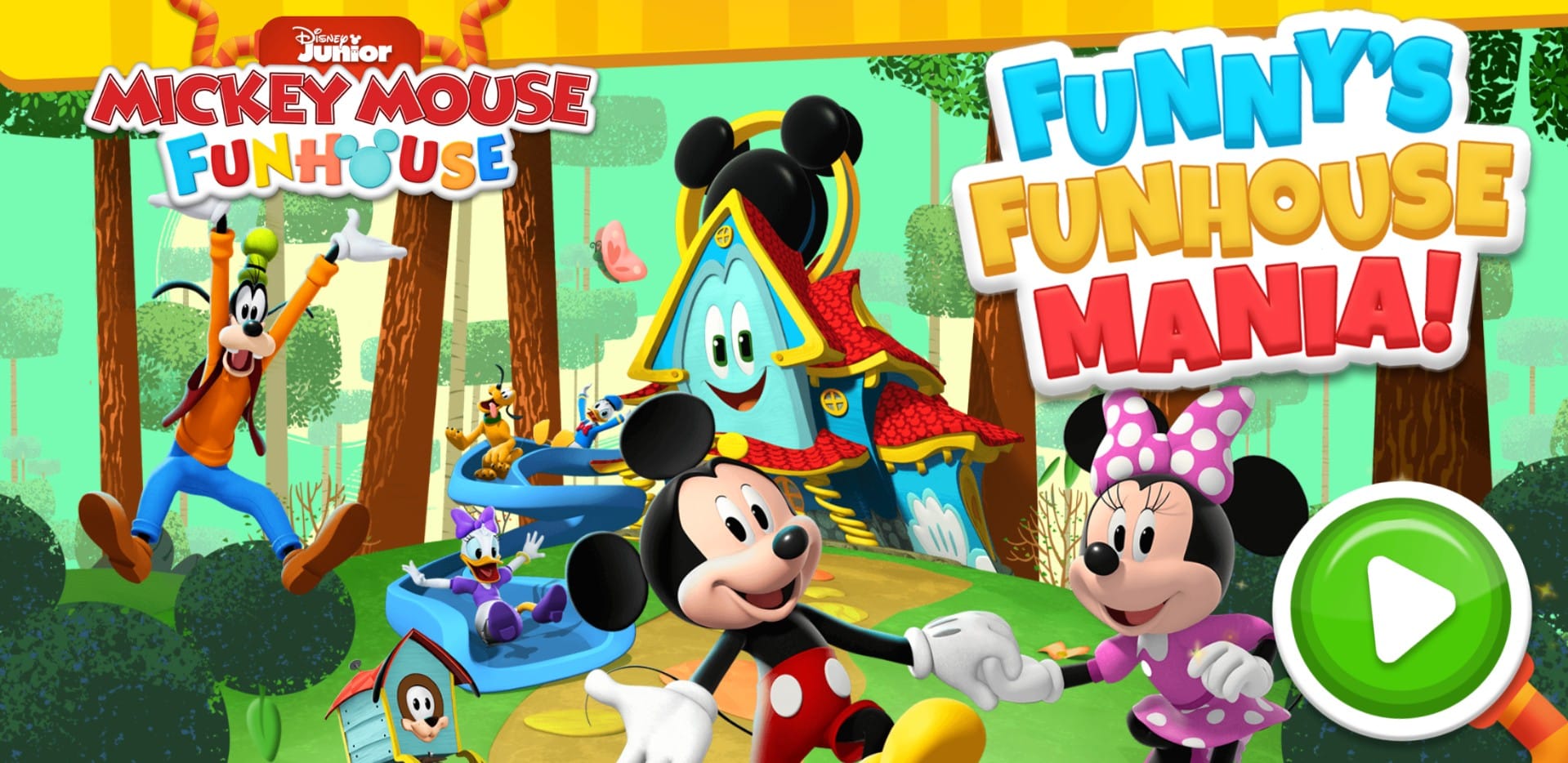
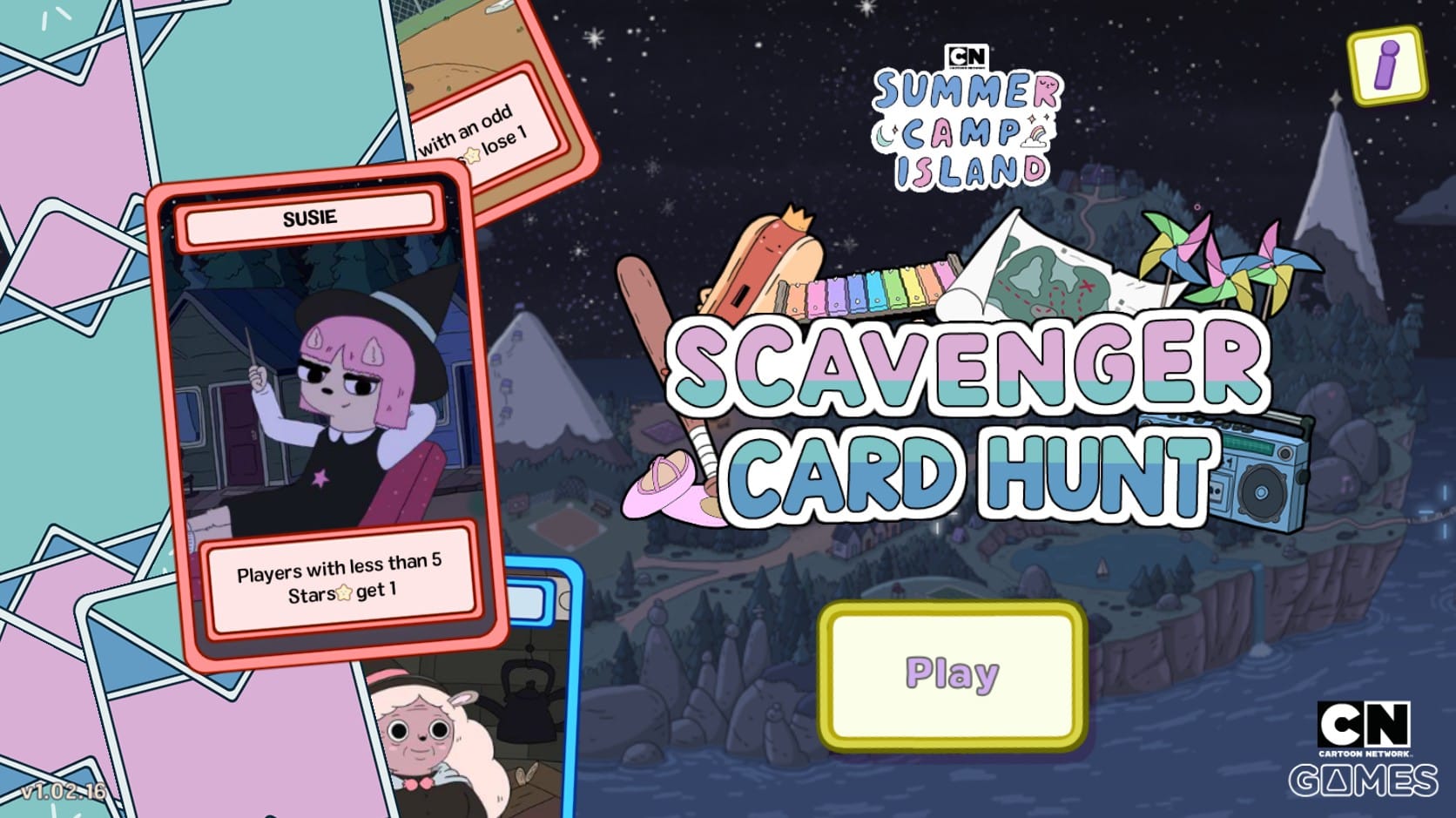
There is a route that avoids most of this: licence finished games from a catalogue owner rather than licensing IP and building. Forestry Games has run that model since 2017, with a catalogue of 1,049 HTML5 and Android titles and brand partnerships that include Disney, Nickelodeon, Cartoon Network and Warner Bros. The commercial difference is structural — you are buying a defined right to deploy finished, rights-cleared games, with the terms set out in our licensing and pricing options, rather than taking on an MG, an approval pipeline and a build.
That trade is not always the right one. If the character is central to a campaign, if the brand is your own, or if the game needs mechanics that don't exist off the shelf, licensing IP and commissioning a build is the correct path — and the terms above are what you will be negotiating. Browse the full catalogue if you want to see what the alternative actually contains before you commit budget either way.
🧭 Do This Before You Ask for a Rate Card
Work out three numbers first, in this order:
- Your earn-out threshold. Divide a realistic MG by a realistic royalty rate. That is the revenue the licensed titles must produce. Write it down.
- Your impression requirement. Convert that revenue at the eCPM your existing games actually deliver — not a benchmark, your own last-90-days number. If the result is larger than your entire portal's annual impression volume, stop here.
- Your incremental lift assumption. How much more will a character-branded title be played than an equivalent unbranded one on your portal? If you have never run the test, run it with a low-cost licensed title before you sign a flagship deal.
Then, and only then, ask for terms — and ask for the MG, the net-receipts definition, the territory and platform grid, the term and the approval clock in the first exchange. A licensor or agent who will discuss the rate but defers the MG until "later in the process" is telling you the MG is the uncomfortable number. They are right. It usually is.