Your Games Portal Runs a Fixed Ad Waterfall. An Auction Pays 10–20% More for the Same Traffic.
If you license HTML5 games for an ad-funded portal, a fixed ad waterfall quietly costs you 10–20% against a real-time auction — same traffic, same games, more revenue. The order your portal calls ad networks in is a bigger lever than most operators realise, and it is one of the few you fully control.
Here is the uncomfortable part: you can pick a great catalogue, drive real players to it, and still hand back a fifth of your ad income because of a setting nobody revisits after launch. The games are not the variable. The auction is.
🌊 The Waterfall Was a Workaround, Not a Design
For a decade the standard way to fill ad inventory was the waterfall: you rank your demand sources in a fixed order — network A first, then B, then C — and each one sees the impression only if the one above declines it. You set that order by hand from each network's historical average eCPM. Network A averaged the most last month, so it gets every impression first.
The flaw is baked into the word "average." A network that averages $8 will happily pay $14 for one impression and $2 for the next, but in a waterfall it takes the impression at its floor or passes — it never gets the chance to bid $14 against a rival willing to pay $13. High-value impressions go to whoever sits highest in the stack, not to whoever values them most. And every time a network passes, the request drops a rung, adding latency; deep waterfalls routinely time out before the bottom networks are ever asked.
⚡ An Auction Prices Every Impression Individually
In-app bidding — the SDK-side name for a unified auction — replaces the fixed ladder with a single real-time auction. Every eligible network bids on the specific impression at once, and the highest bid wins. There is no privileged first look, no fixed order, no cascade of timeouts.
The revenue effect is consistent enough that it is no longer contested. Moloco's 2025 breakdown of bidding versus the waterfall reports that switching typically lifts ad revenue 10–20%, and that on rewarded inventory bidding has effectively replaced the waterfall outright. The gain is not from more impressions or more traffic — it is the same inventory, priced per-impression instead of per-average.
There is a player-experience dividend too. A deep waterfall that times out shows a blank slot or a house ad; an auction that resolves in one pass fills more of those moments with a real, paying ad and fewer with nothing. On a games portal, where an unfilled rewarded slot means a player does not get the reward they were promised, that reliability is worth as much as the eCPM.
The market has moved with it. Tenjin's 2026 ad-monetization benchmark puts AppLovin at a 44% share of iOS game ad revenue and Google AdMob at 25% on Android in Q2 2026 — both platforms whose mediation now runs on bidding rather than a hand-ranked stack. If your yield setup still opens with a fixed order, you are running last decade's plumbing.
🌐 On the Web, Your "Auction" Is the Ad Stack, Not an SDK
Almost every bidding benchmark you will read is measured inside native mobile apps, through an SDK. A browser-based games portal does not have that SDK, and the eye-catching in-app eCPMs do not transfer to the web — that gap is its own subject. What does carry over is the architecture: the choice between a fixed order and a live auction exists on the web too, it just wears different names.
On the web the auction is header bidding, usually run through Prebid and settled in Google Ad Manager, or delivered by a web-game ad provider that wraps the same idea. Multiple demand partners bid before the ad server decides, instead of the ad server calling house demand first and the open market last. If your portal serves ads by dropping a single network's tag into the page, you are running a one-network waterfall — the worst case — and the auction upgrade is available to you without touching a single game.
🎚️ The Floor Price Is the Dial You Actually Own
An auction still needs a reserve. The floor price is the lowest bid you will accept, and it has the most direct line to your revenue — and it is the easiest thing to get wrong in both directions. Set it too low and you clear cheap impressions that drag your average down; set it too high and bids fall below the floor, fill collapses, and the impression goes unsold.
The counter-intuitive rule from programmatic publishing is that 100% fill is a mistake. Setupad's floor-price guidance pegs a healthy target at 75–90% fill and warns that chasing 100% can cut eCPM 20–30%, because the last slice of fill is exactly the cheap demand you should be refusing. The same guidance, echoing Prebid.org, says to start with a conservative soft floor around $0.50 and raise it in roughly 10% steps while watching fill — not to guess a number at launch and leave it there for a year.
Floors are not one number, either. Rewarded video, interstitials and banners clear at very different prices — rewarded highest, banners lowest — so a single portal-wide floor over-prices your banners into no-fill and under-prices your rewarded slots. Set floors per format, and per geography where your traffic splits across tier-1 and tier-2 markets, because a $2 reserve that is sensible in the US will zero out fill in cheaper regions.
One 2025 addition is worth using: Google Ad Manager now supports bidder-specific floors, so you can hold a premium buyer to a higher reserve while keeping a competitive floor for everyone else. On a game portal, where a handful of endemic advertisers value your audience far above the open market, that difference is real money.
📦 The Ad Call Lives in the Shell, Not the Licensed Game
Here is where licensing changes the picture. When you run a catalogue of licensed HTML5 games, each title is a build you did not write and cannot edit — you embed it, usually in an iframe, and the game does not carry your ad stack. That is not a problem to solve; it is the correct division of labour. Your auction, your floors and your mediation config all live in the portal shell that surrounds the game, not inside the game frame.
The practical consequences are good ones. Your ad breaks fire between plays and at moments the shell controls, not from ad calls baked into someone else's build. A floor change or a new demand partner ships as a portal deploy and applies to every title at once. And you are never waiting on a licensor to patch a game so it can serve a new format. It also means the yield questions in this post are yours to answer regardless of which games you license — the auction is a property of your portal, not of the catalogue.
✅ A Yield Setup Worth Auditing Before You Scale
- Count your demand sources. One network serving everything is a waterfall of length one. Get at least three bidding partners into the auction before you worry about anything else.
- Kill the fixed order. If your mediation still ranks networks by last month's average, move to a unified auction. The 10–20% is sitting there.
- Set a soft floor and iterate. Start low, raise in small steps, and stop when fill dips toward 75%. Do not aim for 100%.
- Split floors by format and geo. One number across rewarded, interstitial and banner leaves money on the table in both directions.
- Separate premium demand. Use bidder-specific floors for endemic advertisers who overpay for a gaming audience.
- Keep it all in the shell. Confirm your ad logic sits in the portal, not in any single licensed build, so one change reaches the whole catalogue.
🧩 What a Direct HTML5 Game Licence Puts in Your Hands
None of the above works without a catalogue you control at the portal level, which is exactly what a direct licence is for. When you license HTML5 games from the company that holds the rights — rather than renting a feed you cannot configure — you get the actual builds to host and wrap in your own shell: HTML5 for the web, APK builds where you need native Android, and source access on titles where the deal includes it, so your ad layer and analytics wrap the game instead of fighting it. Branding and hosting options are part of the conversation, not extras.
Forestry Games has operated since 2017 and licenses a catalogue of 1,049 titles across HTML5 and Android. Scale matters here for a specific reason: a portal that runs a real auction wants enough inventory that demand partners take it seriously, and a broad catalogue keeps sessions long enough to serve the ad breaks your floors are tuned for. You can license HTML5 games for the web build, license Android games for native distribution, or browse the full catalogue to size a licence against the traffic you actually have.
🎭 Adding Branded Games to the Mix
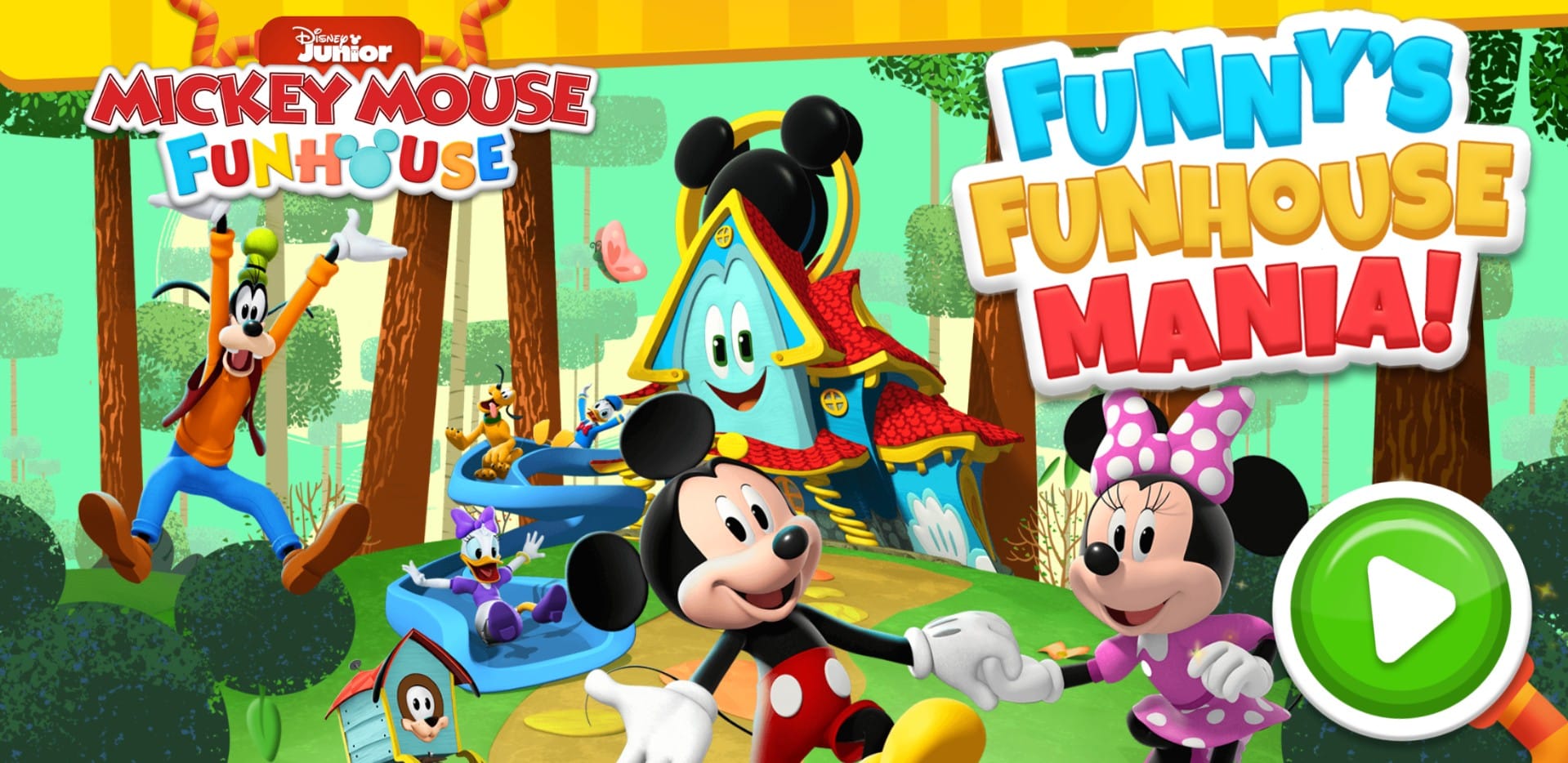
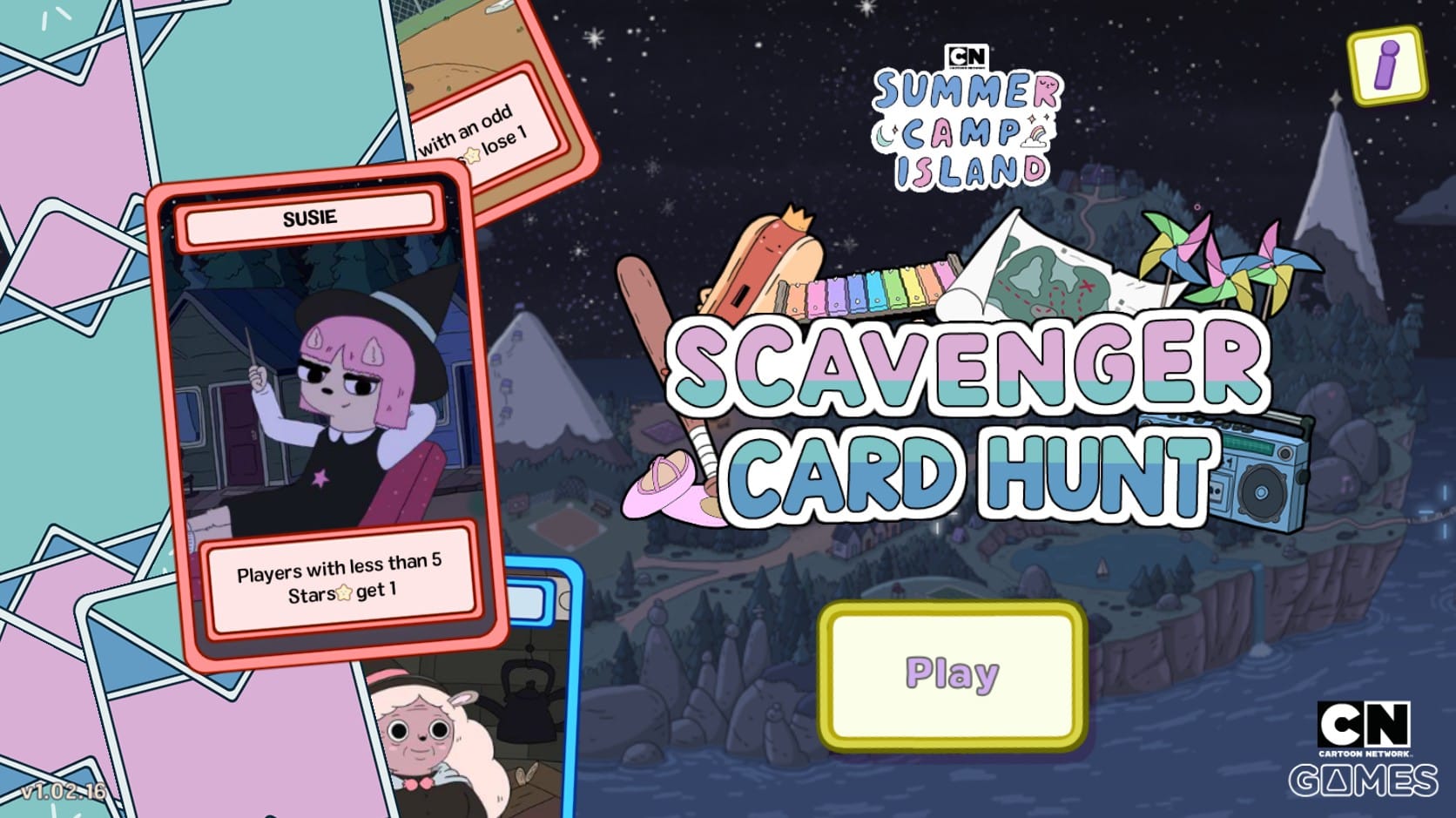
Yield is not only a floor-price question — it is also about who is willing to bid. A branded title tends to lift session length and can draw advertisers who pay above the open market for the association, which is where licensed IP earns its keep on a portal. Forestry Games works with branded IP and has partnerships including Disney, Nickelodeon, Cartoon Network and Warner Bros, and businesses can license branded game content through it for campaigns, portals, events and apps.
The next step is concrete: ask for a licence scope that names your formats and hosting model, or request a portal demo, on the membership and licensing page. If a branded campaign is in view, raise it in the same conversation so approvals and formats are scoped together rather than bolted on later.
🧭 Where This Leaves You
The auction is the highest-leverage thing an ad-funded portal owns, and it is invisible in every screenshot of your site. Move off a fixed waterfall, run a real auction with three or more bidders, set a soft floor and raise it until fill sits in the high 80s, and keep all of that logic in the shell so it reaches the whole catalogue at once. Do that and the same traffic and the same games pay measurably more — the 10–20% Moloco reports is the floor of the opportunity, not the ceiling.
Then make the catalogue match the plumbing. If you are ready to build or refit an ad-funded portal, the practical first move is to browse the catalogue and ask for a licence scope that fits your traffic — a portal engineered around a real auction is only worth the effort if it is running games you actually control. For deeper workups, the monetization resources go further on formats and revenue splits.