The Builds Land in a Day. The Metadata Is What Holds Your Launch for Six Weeks.
When you license HTML5 games by the hundred, the builds land in a day and the metadata is what holds your launch for weeks. Almost nobody prices that work in.
The handover conversation is always about the games. How many titles, which genres, what the licence covers, when the files arrive. Then the files arrive — a bucket of zips or a set of iframe URLs, exactly as promised, usually faster than you expected — and the project stalls. Not because a game is broken. Because you have 500 playable titles and no way to put any of them on a page a human would use.
📦 What Actually Arrives in the Handover
Strip a catalogue delivery down and it is two things: runnable builds and a spreadsheet. The builds are the part everyone inspects. The spreadsheet is the part that decides your launch date.
A typical one has a title, a one-line description, a genre word, a thumbnail URL, and maybe an orientation flag. That is enough to prove a licence was fulfilled. It is nowhere near enough to run a storefront. Your portal needs a category tree, search terms, a short blurb for the tile and a long one for the page, several thumbnail crops, a control-scheme note, a device-compatibility flag, and a language list — per title, in every locale you sell in.
The gap between those two lists is the real project. It is content work, not engineering, and it scales linearly with catalogue size: 500 titles is roughly ten times the desk hours of 50, no matter how good your CMS is.
🖼️ One Thumbnail, Three Aspect Ratios, and Nobody Ships All Three
This is where most ingests break first, and it is worth being concrete about how much the destinations actually diverge.
CrazyGames' published cover requirements ask a developer for three images per game: landscape at 1920×1080 (16:9), portrait at 800×1200 (2:3), and square at 800×800 (1:1) — with consistent artwork across all three so a player recognises the game in any slot. The video preview is stricter still: 15–20 seconds maximum, 50 MB maximum, no audio, and both a landscape 1080p 16:9 cut and a portrait 2:3 cut are mandatory.
Now put the same catalogue on Google Play. Google's icon specification wants 512×512, 32-bit PNG, sRGB, under 1024 KB, delivered as a full square with no rounded corners and no drop shadow — Play applies a corner radius of 30% of the icon size and its own shadow at render time. Ship a pre-rounded icon with a baked shadow and you get a visibly wrong tile, doubled corners and all.
So one game needs a 16:9, a 2:3, a 1:1 and a square icon whose safe area assumes a third of each corner will be cut away. Most licensor spreadsheets carry one image. Cropping a 16:9 key art down to 2:3 usually removes the character the art was built around. That is a design task per title, not a batch script — and it is the single most common reason a catalogue that "arrived on Monday" is still not live a month later.
✍️ Every Destination Caps Your Copy at a Different Length
Text has hard ceilings, and they are not the same anywhere. Google Play's store listing rules give you a 30-character app name, an 80-character short description, and a 4,000-character full description, with one localised name per language.
Thirty characters is brutal. "Bubble Shooter Deluxe Adventure" does not fit. Neither does most of what a licensor typed into the title field, because that field was written for an internal catalogue with no width constraint.
Your own portal has its own ceilings, whether you wrote them down or not: the tile caption truncates at whatever your CSS allows, the meta description Google renders sits around 155–160 characters, and the category page needs a blurb short enough that twelve of them stack without becoming a wall. Plan for at least three lengths per title — a name, a one-line hook, and a page description — and treat the licensor's single description as raw material for all three rather than as any of them.
🗂️ The Licensor's Categories Are Not Your Categories
Every catalogue arrives pre-tagged, and every tagging scheme was designed for someone else's storefront. You will get broad buckets — Puzzle, Action, Racing, Girls, Kids — that made sense to whoever built the internal library.
Your navigation has different jobs to do. A telecom portal wants bundles that map to a tariff. A kids' site wants an age split that survives a parent's scrutiny. An events business wants "playable in 90 seconds standing up." None of those are genres.
Two rules save a lot of rework here. First, a title belongs to exactly one category for navigation and to as many tags as you like for filtering — mixing those two ideas is what produces a menu with 60 entries and no traffic. Second, do the mapping once, in a lookup table from the licensor's vocabulary to yours, and re-run it on every future batch. If you hand-sort each delivery, batch four will not match batch one and your category pages will quietly rot.
🔎 Search Is Metadata, Not a Feature
Players do not search for the titles in your database. They search for the thing they want to play: bubble shooter, 2 player, dress up, parking, merge. If your search index is built from title plus genre, most of those queries return nothing, and a zero-result search is one of the most reliable exit points on a games site.
The fix is a synonym and keyword field per title, populated by a human who has played the game for two minutes. It is unglamorous and it is the highest-return metadata you will write, because it also feeds your on-page copy and your internal linking. A catalogue whose search works feels twice its actual size; a catalogue whose search fails feels broken regardless of how many titles you licensed.
🧾 The Fields That Decide Whether a Title Can Go Live at All
Beyond merchandising, a handful of technical fields are pass/fail. Missing any of them means the title sits in staging until somebody opens it manually and checks:
- Orientation — portrait, landscape, or responsive. Decides which surfaces it can appear on before anything else.
- Control scheme — touch, mouse, keyboard, gamepad, or a combination. A keyboard-only title on a mobile portal is a support ticket waiting to happen.
- Delivery mode — hosted iframe URL versus a self-hostable bundle. Different licence implications, different failure modes, different SEO.
- In-build languages — what the game itself displays, which is separate from what your store page says.
- Audio — whether the build makes sound at all, and whether it respects a mute parameter. Matters enormously for kiosks, waiting rooms and in-store placements.
- Third-party calls — any network request the build makes on load. This drives your content-security policy and your privacy disclosures.
- Version and checksum — so that when a title is refreshed you know it changed, and which of your surfaces are now stale.
None of these are exotic. All of them are routinely absent from a first delivery, and all of them are cheap to ask for before a contract is signed and expensive to chase afterwards.
🚫 Five Ways Metadata Sinks a Catalogue Launch
- Publishing the licensor's descriptions verbatim. Every other licensee of that catalogue has the same text. You are asking a search engine to pick your copy of an identical page, and it usually won't.
- Sizing the launch by titles, not by rows of metadata. "We licensed 800 games" is a procurement fact. "We can merchandise 120 games properly this quarter" is the operational one, and the second number should set the launch scope.
- Machine-translating store copy while leaving the build in English. A player who lands on a fluent Spanish page and opens an English-only game bounces harder than one who was told upfront.
- Letting each batch invent its own taxonomy. Six deliveries, six sets of category names, and a navigation nobody can maintain.
- Treating metadata as launch work rather than ongoing work. Refreshed builds, retired titles, seasonal re-tagging and new locales all keep arriving. The field that says which surfaces need updating is worth more in month twelve than in month one.
📋 The Manifest to Ask For Before You Sign
Put this in the enquiry, not the escalation email. Ask the licensor for a sample manifest covering ten titles, with: unique ID, title, long and short descriptions, genre and tags, orientation, control scheme, minimum browser or Android version, in-build languages, audio flag, delivery mode, thumbnail set with dimensions, version string, and any age-rating information they hold.
Then run the fifty-row test: take fifty rows and try to build a live category page from them without opening a single game. Whatever you have to look up manually is a per-title cost, and multiplying it by your catalogue size gives you a launch estimate that is actually defensible. A licensor who can hand you a clean manifest has one because they maintain a real library; a licensor who cannot will not suddenly produce one at volume.
🎯 What You Get When You License HTML5 Games From a Direct Licensor
Working with a direct licensor rather than a file marketplace changes what the handover contains. Forestry Games has licensed games since 2017 and maintains a catalogue of 1,049 titles spanning HTML5 and Android APK builds, with titles also published on Google Play and the Apple App Store — so the HTML5 and APK conversation happens once, against one library, rather than as two separate procurements with two different metadata schemes to reconcile.
Scope is set to the use case: hosted play or self-hosted builds, source where applicable, branding and white-label portal delivery, plus distribution and monetization support rather than a file drop and an invoice. If you are sizing a launch, the practical first step is to browse the catalogue and ask for a licence scope against the surfaces you actually run — you can also start from the HTML5 games and Android games sections to see how titles are grouped before you commit to a taxonomy of your own.
🧸 Licensing Branded Games for Campaigns, Portals and Events
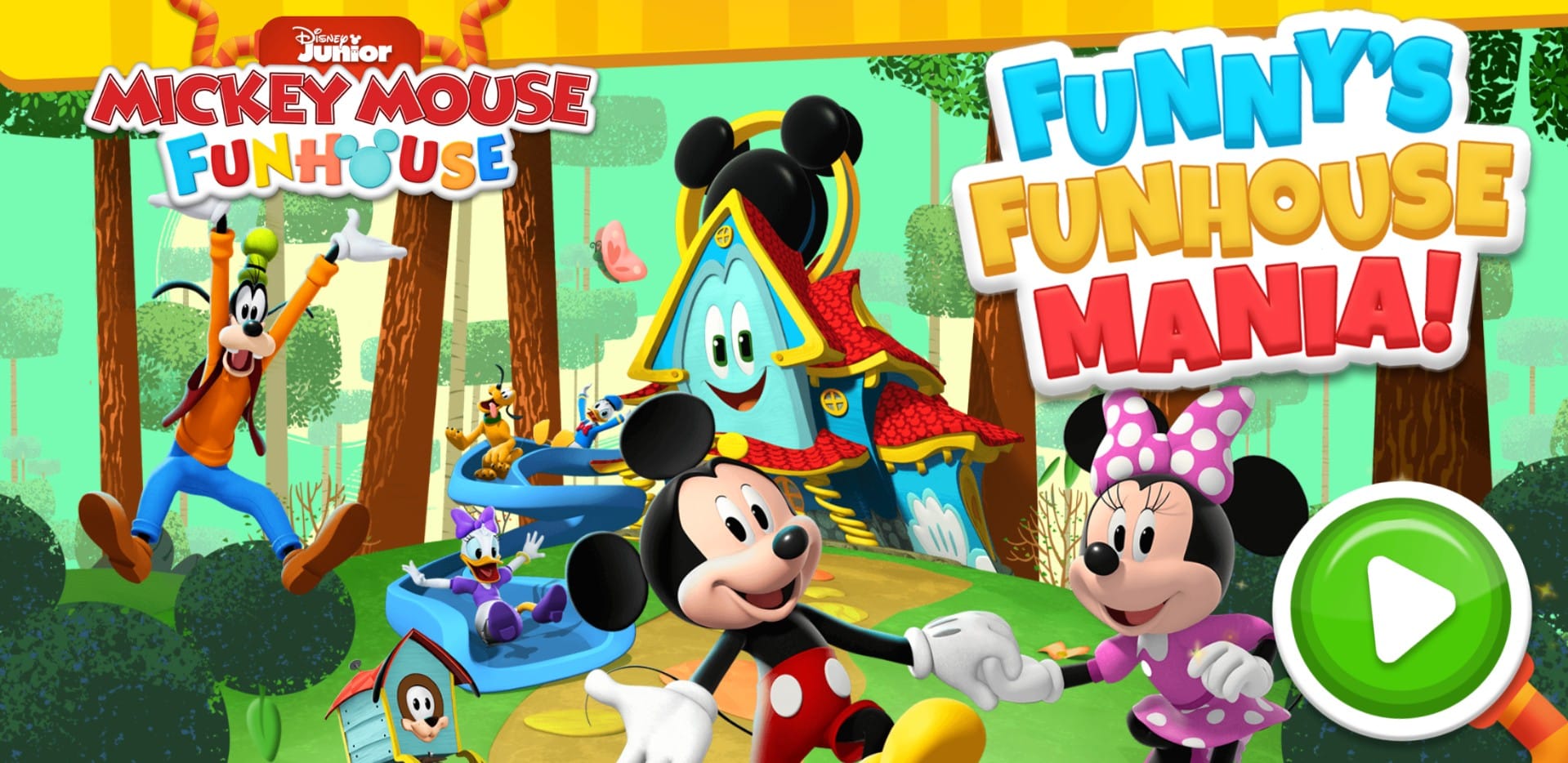
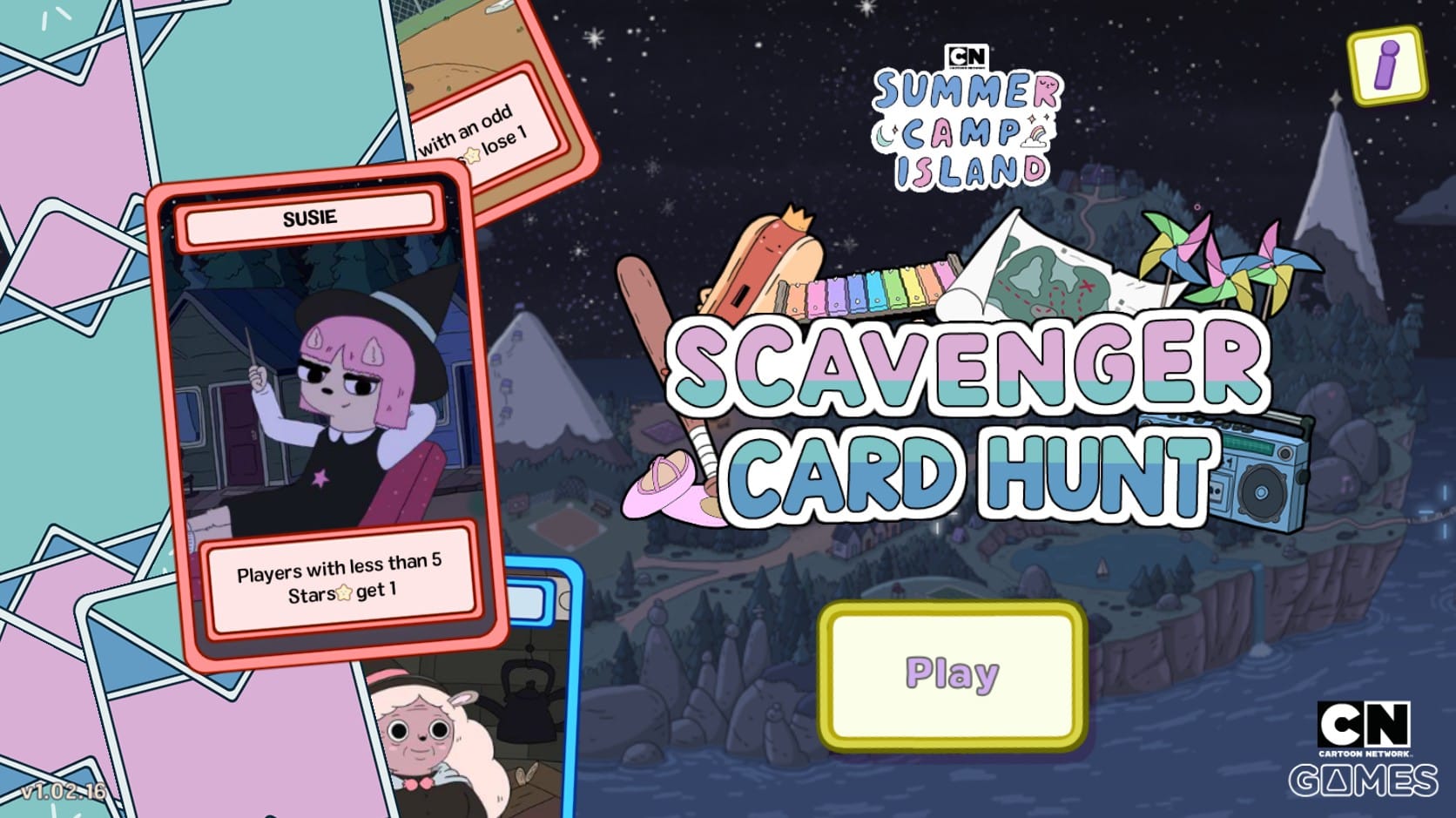
Branded titles raise the metadata bar rather than lowering it, because character names, capitalisation and approved artwork are contractual rather than editorial. Forestry Games works with branded IP and has brand partnerships including Disney, Nickelodeon, Cartoon Network and Warner Bros, and businesses can license branded game content through it for campaigns, portals, events and apps.
If a branded strand sits inside a wider catalogue plan, settle the asset and copy rules at scoping time — which names, which descriptions, which images may be used and where. Ask for a licence scope for the branded titles alongside the general catalogue, or request a portal demo to see how both sets sit in one storefront.
✅ Run the Fifty-Row Test This Week
You cannot patch a licensed build. Metadata is the layer you own completely — the one place where your storefront can be better than every other licensee running the same games. That makes it the wrong thing to leave until the files arrive.
Take whichever catalogue you are closest to buying, ask for fifty rows of its manifest, and try to build one category page from it. The count of fields you have to invent yourself, multiplied by the number of titles, is your real launch timeline. Bring that number to the licence conversation while you still have leverage over what the delivery contains.