A Daily Puzzle Is a Subscription Product. An Arcade Is Ad Inventory. Publishers Keep Buying the Wrong One.
News publishers are buying games to replace collapsing search traffic. A daily puzzle and a licensed arcade catalogue solve different problems entirely.
Every masthead that has watched its Google referrals fall off a cliff in the past two years has had the same meeting. Someone puts up a slide with Wordle on it. Someone else says the words "New York Times". A budget line called "games" appears in the next quarter's plan, and nobody in the room asks the only question that matters: which of the two completely different products called "games" are we actually buying?
They are not variations on a theme. One is a daily editorial commitment that sells subscriptions. The other is a content catalogue that sells impressions. They have different cost structures, different staffing, different KPIs, and different failure modes. Publishers routinely buy the second and report on it using the first one's metrics, then conclude that games don't work.
📉 The Hole in the Traffic Is Real, and It Got Bigger
Start with why the budget exists at all. The Reuters Institute's Journalism, Media and Technology Trends and Predictions 2026, published on 12 January 2026 from a survey of 280 senior editors and executives across 51 countries, found Google referrals down 33% globally between November 2024 and November 2025, and down 38% in the United States. Facebook referrals fell 43% and X 46% over three years. Those same executives expect search traffic to drop another 43% over the next three years, and only 38% say they're confident about journalism's prospects.
So the strategic logic is sound: if the borrowed audience is going away, build a reason for people to come directly and keep coming. A daily habit is about the strongest reason a news brand can manufacture without hiring a single extra reporter.
It's worth noting what the 2026 report doesn't say. Games aren't in its headline findings at all. The Reuters Institute's 2024 edition found 29% of publishers planning to invest in games as an adjacent product, ahead of education at 26% and food at 13%. Two years on, the attention in the survey has moved to video, YouTube and AI distribution. Read that as a warning rather than a verdict: a lot of publishers put games in a plan, and considerably fewer built something that outlived the launch post.
🧩 The Playbook Everyone Copies Is a Subscription Product
The New York Times numbers get quoted constantly and understood rarely. In 2023, NYT Games recorded roughly 8 billion plays, with Wordle alone accounting for about 4.8 billion, and the standalone games app was downloaded around 10 million times that year. As Press Gazette reported in March 2023, more than a million people subscribe to the games-only tier — at the time $5 a month or $40 a year, roughly a tenth of the company's entire subscriber base on a product with no journalism in it.
That is not an engagement widget. It's a separately priced, separately marketed, separately staffed product with its own editorial pipeline — NYT's games team was fielding hundreds of puzzle submissions a month from outside constructors as far back as 2023. The retention claim publishers repeat in slide decks comes from the same reporting: subscribers who engage with both news and games in a given week are substantially more likely to stay than news-only subscribers.
Note what that claim actually is. It's a correlation between weekly play and renewal, stated by the company that sells both. It is not a promise that bolting fifty arcade titles onto a news site produces the same effect. The mechanism, if there is one, runs through the daily return — the game resets at midnight, there's exactly one solution, the streak is visible, and missing a day costs you something.
📊 The Bundle Halo Is Getting Weaker, Not Stronger
Here's the part that changes the recommendation, and it's recent enough that most decks haven't caught up.
Through Q3 2025, the bundle story looked exactly as advertised: about 12.33 million digital subscribers, 6.27 million of them on the bundle or a multi-product plan — around 51% — with digital-only ARPU at $9.79 and digital subscription revenue up 14% year on year.
Then the mix shifted. Covering the Q4 2025 results, A Media Operator reported that while the company added a net 450,000 digital-only subscribers in the quarter, new bundle and multi-product subscriptions fell from 320,000 in Q4 2024 to 210,000 a year later. Single-product subscriptions — the cheaper ones — made up the majority of new subscriptions across the second half of 2025.
If you're planning a games product off the NYT model, that's the detail to build around. The pitch publishers take to their boards is the halo: games make the expensive bundle stickier. The observable trend at the company that invented the pitch is that the cheap standalone product is doing more of the acquisition work. Those two arguments lead to different products. One says bury games inside the existing paywall. The other says give games their own price, their own app, and its own funnel — and accept that a chunk of your games audience will never read a word of your journalism.
🎯 Two Products, One Word
Set them side by side, because the confusion between them wastes more publisher money than any other mistake in this category.
The daily habit product
One game, or a small handful. It resets on a clock. There's a single correct answer, a streak, and an account attached to a person. Session length is short — a crossword or a word game is minutes, not hours — but the return rate is the whole point. It sells subscriptions, it produces first-party identity, and it works because it's the same thing at the same time every day for years.
The cost isn't licensing. It's editorial: someone has to make or approve tomorrow's puzzle, and the day after, and every day through Christmas. That's a rota, not a project.
The arcade catalogue
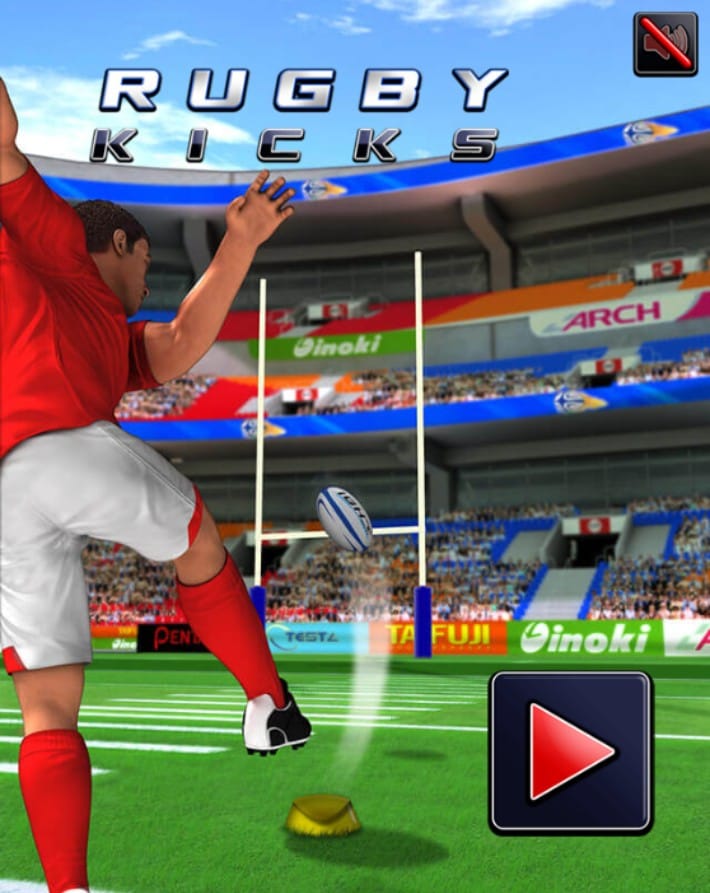
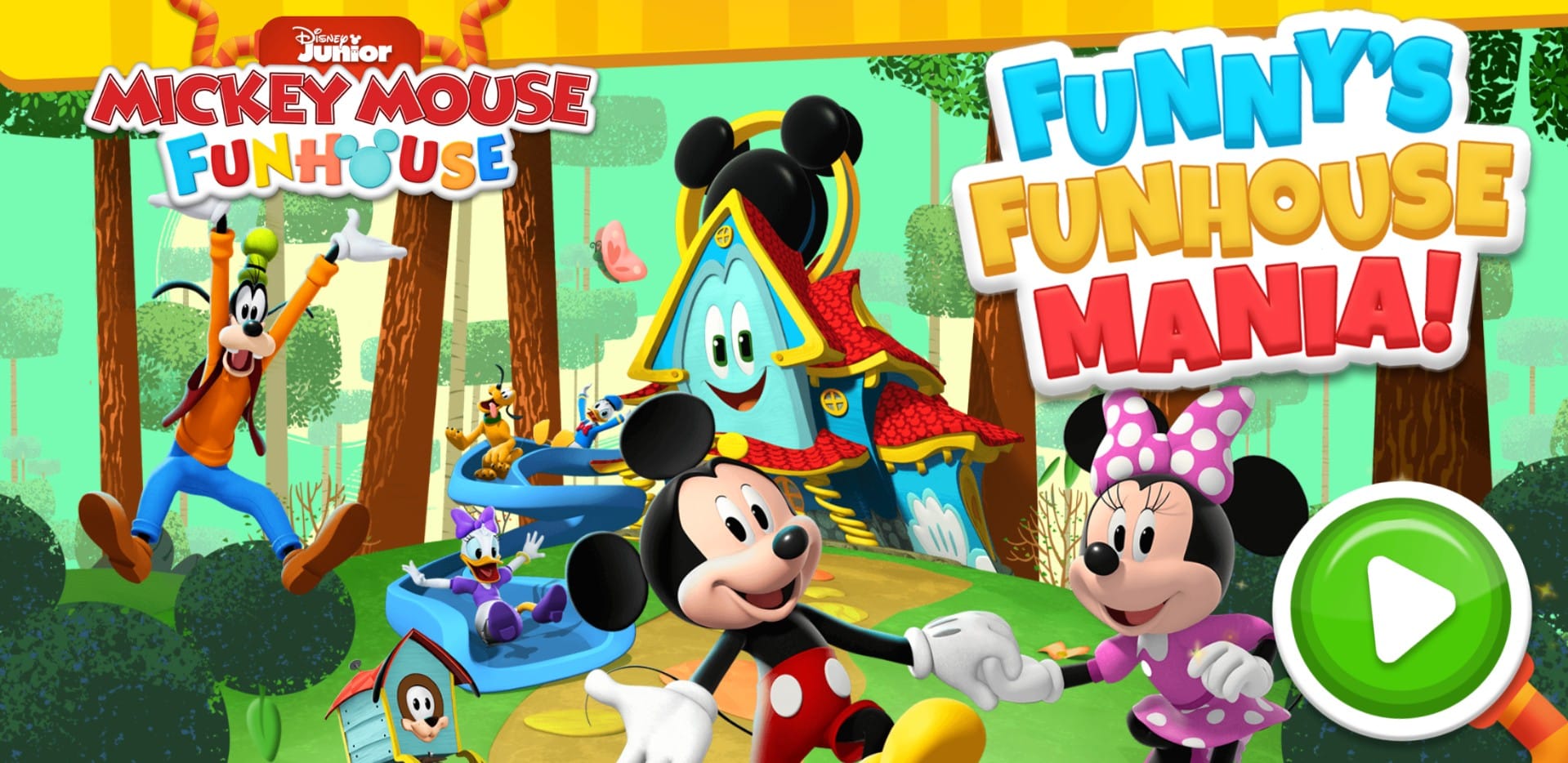
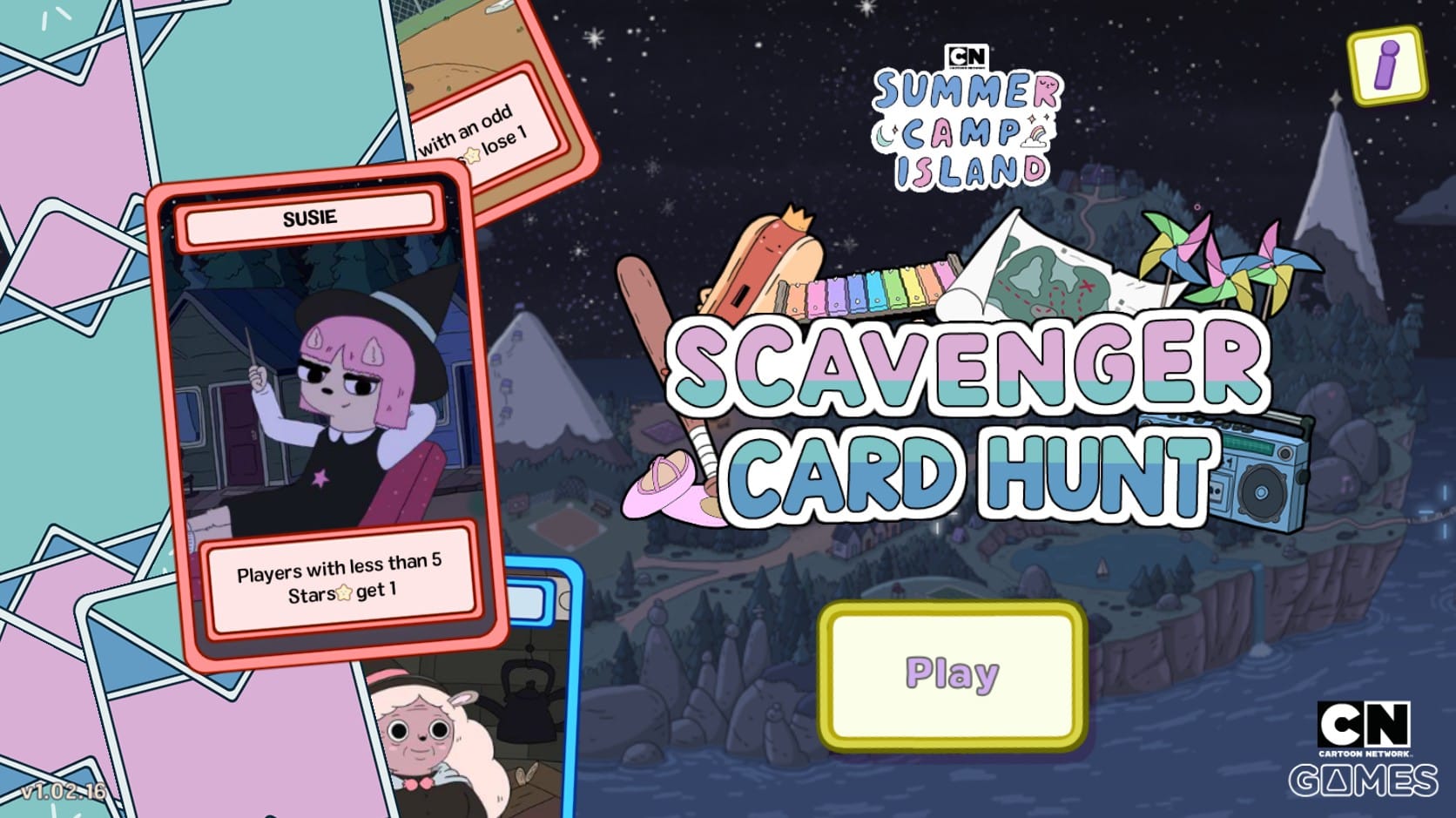
Dozens to hundreds of casual titles — puzzle, match-3, arcade, card, kids' games — sitting in a browsable section. Nothing resets. Nobody has a streak. What it produces is session depth and ad inventory: a visitor who came for one thing plays three, and each play is a surface you can monetize. It also gives you a long tail of pages that exist independently of your news cycle, and it fills a games section on day one instead of month eighteen.
The cost is licensing and integration, and it's largely fixed. There's no daily editorial obligation, which is exactly why it scales to a regional group with no games staff.
Both are legitimate. The arcade will not manufacture a daily habit, and the daily puzzle will not fill a section or carry meaningful ad volume on its own. Buying one and expecting the other's outcome is the whole failure mode.
🏷️ Licensed IP Shows Up on Both Sides
Publishers increasingly license the games rather than originate them, and the deals split along the same line.
On the habit side, Hearst bought Puzzmo outright in December 2023, rolled it across 50-plus of its titles, and then licensed it onward — Postmedia became the exclusive Canadian destination for it in April 2024, and non-Hearst publishers including Vox's Polygon have run it too. Apple added the Quartiles word game to Apple News+ in May 2024. And on 26 February 2026, Telegraph Puzzles launched a daily 1% Club game in partnership with BBC Studios, built on the format of the TV quiz — a recognisable brand dropped into a daily slot alongside the paper's own crosswords, Sudoku and PlusWord.
That Telegraph example is the cleanest illustration of what licensed IP buys you here. The brand does the acquisition work: people already know the format, so the first play needs no explanation. The daily slot does the retention work. Get one without the other and you have either a novelty nobody returns to, or a habit nobody discovers.
On the arcade side, licensing is less about recognition and more about coverage — filling a catalogue across genres, in the formats your site can actually serve, without hiring a studio. That's a procurement exercise, and it should be priced like one.
🚫 Five Ways Publisher Games Projects Waste the Budget
- Buying an arcade and grading it on subscription metrics. A catalogue of licensed casual games will lift pages per visit and ad impressions. It will not move renewal rates on its own, and reporting it against a retention target guarantees it gets cut at the next review.
- Shipping a daily game with no account behind it. Anonymous play produces a number you can put in a press release and nothing you can attach to a subscriber. If the streak isn't tied to a login, you've built traffic, not identity — and identity was the reason the budget existed.
- Treating launch as the deliverable. A daily puzzle is an ongoing editorial obligation with no off-season. Publishers who staff it as a project deliver a strong first month and a dead section by month six.
- Locking games behind the full news paywall by default. When single-product subscriptions are the fastest-growing shape at the company everyone is imitating, refusing to price games separately is a decision — make it deliberately, not by inheriting the existing paywall config.
- Assuming a games section replaces the lost search traffic. It replaces the dependency, not the volume, and it does so slowly. Anyone modelling games as a one-for-one substitute for a 33% referral decline is going to be disappointed on a predictable schedule.
📈 Instrument the Return, Not the Play
Plays is the vanity number. For a daily habit product, measure the share of players who return on consecutive days, median streak length, the proportion of subscribers who played at least once in the past seven days, and renewal rate split by that flag. For an arcade catalogue, measure games per session, ad impressions per games visit against ad impressions per article page, and the share of games traffic arriving direct or from your own app rather than from search.
Track them separately. Blending them produces an average that describes neither product and justifies neither budget.
One caution on benchmarks: a lot of the engagement multiples circulating in this category — "game players return 4x more often", "22% more likely to upgrade" — trace back to vendor marketing or content farms rather than published research. Where a figure has no named source and no methodology, leave it out of your business case. Your own cohort data after one quarter is worth more than any of it.
🎮 Where a Licensed Catalogue Fits
Plainly: on the arcade side. If your goal is a games destination that's populated on launch day, works across desktop and mobile browsers, and carries ad inventory without a daily editorial rota, that's what a licensed HTML5 games catalogue is for. Forestry Games has been licensing games since 2017 and maintains a catalogue of 1,049 titles across HTML5 and Android, and works with branded IP as well as its own in-house development — the arcade section of the equation, not the crossword desk.
For publisher groups, the practical shape is usually a white-label games portal running under the masthead's own domain and design, with the catalogue and hosting handled outside the newsroom. Licence scope is the part to read carefully: how many domains, which territories, whether sublicensing to sister titles in the group is included. Those terms decide whether one deal covers your whole portfolio or just one paper. The licence and pricing page sets out how the options differ, and the catalogue is browsable if you want to check genre coverage against your audience before talking to anyone.
What it won't do is give you a Wordle. Nobody licenses you a daily habit; you build one, slowly, and you keep it fed.
🧭 What to Do Before the Next Games Budget
Split the line item in two before you spend it. Write down which problem you're solving — subscriber retention and first-party identity, or session depth and ad inventory — and pick the product that matches. If it's retention, budget for a permanent daily editorial slot and an account system, and expect eighteen months before the cohort data means anything. If it's inventory, licence a catalogue, launch it in weeks, and hold it to advertising metrics only.
Most publishers can justify both eventually. Almost none can justify buying one and defending it with the other's numbers. Decide which meeting you're in, then go and look at what a catalogue actually costs — it's a smaller number than the one in the deck with Wordle on it, and it answers a smaller question.