A Betting Sponsor Brought Its Own Mechanic. The Fintech Replacing It Doesn't.
The Premier League's front-of-shirt gambling ban is live this season, and the sponsors replacing betting brands have no built-in fan mechanic to activate with. Clubs sold the shirt front. They did not sell the interactive product that used to arrive attached to it, and that gap has landed in the club app.
Eleven shirt fronts changed sector at once this summer. Most of the coverage has been about the money. The money is the smaller problem. What actually changed is that clubs have swapped a category of sponsor that supplied its own daily engagement loop for a category that supplies none, and almost nobody has budgeted for the difference.
🏟️ What Actually Changed, and Who It Hit
The decision is three years old. In its statement of 13 April 2023, the Premier League confirmed that clubs had voted to withdraw gambling sponsorship from the front of matchday shirts from the end of the 2025/26 season, making it "the first sports league in the UK" to do so voluntarily. The wording matters: it covers the front of the matchday shirt and nothing else. Sleeves, training kit, LED boards and general club partnerships were left alone.
Footy Headlines counted eleven clubs carrying betting brands as their main kit sponsor in 2025-26, with none of the so-called big six among them — the deals were concentrated in the middle and lower half of the table, where a front-of-shirt sponsorship can be worth up to around £10m a year. Estimates of the collective annual shortfall published around the ban's start range from roughly £80m to £100m. Nobody audits those numbers, they are analyst estimates rather than disclosed figures, and the spread tells you more than either endpoint: the honest answer is "tens of millions, unevenly distributed, concentrated in clubs least able to absorb it".
The replacements skew financial and technological. Everton went to CMC Markets, Crystal Palace to Temporal, Aston Villa to Visit Rwanda. Business Standard reported in August 2026 that Nielsen expects software infrastructure companies to potentially become the leading front-of-shirt category by 2028. For context on the base these deals sit on, Deloitte's Annual Review of Football Finance 2026 put Premier League commercial revenue at £2.4bn in 2024/25, up £278m or 13% year on year, with the big six accounting for roughly 73% of it. Commercial income is growing fast and concentrating at the top. The clubs that lost betting money are not the ones riding that curve.
🎰 A Betting Brand Was an Activation Partner That Activated Itself
Here is the part that gets lost when this is discussed as a revenue line. A betting sponsor did not just buy attention. It arrived with a finished, repeatable, daily interactive product: odds, free bets, boosts, accumulators, cash-out. The club supplied audience and placement. The sponsor supplied the thing fans actually did.
That is an unusual arrangement and clubs got used to it. A trading platform, a cloud vendor or a tourism board has no equivalent. There is nothing for a fan to do with a payments brand on a Tuesday in October. The sponsor will still want proof that its logo produced something measurable, and increasingly the club is the party expected to build the mechanism that produces it.
So the inventory being sold has quietly changed shape. It used to be attention. It is now interaction — and interaction is a product with a build cost, a maintenance cost and a legal review.
📉 The Budget for That Product Was Already Thin
The World Federation of Advertisers, working with Lumency, published a global sponsorships and partnerships study in November 2025 that puts a number on how badly activation is funded. The global average activation ratio came in at 0.81:1 — 81 cents of activation spend for every unit of rights fee. Only 18% of sponsors were at 1:1 or higher. Nine percent were at 0.20:1 or below. And 43% did not know what they were spending on activation at all.
Set that against the benchmark the industry repeats to itself, which is somewhere between 1:1 and 2:1 depending on who is quoting it. The gap between what practitioners recommend and what brands actually spend is the whole story. A sponsor that underfunds activation by that margin is not going to fund a bespoke game build on top of the rights fee.
That constraint decides the format before anyone gets to a creative brief. If activation has to be cheap enough to bundle into the rights fee, or cheap enough for the club to fund out of its own commercial budget, custom development for a single sponsor over a single season is arithmetically dead. Licensed content is not a compromise here — it is the only structure the budget supports.
🎮 Sponsors Are Asking. Clubs Are Struggling to Answer.
Stats Perform's 2026 Fan Engagement, Monetisation and AI Trends survey, based on 675 sports media executives in fan-facing roles, found that 70% say sponsors are asking for more digital content — and more than a third say they struggle to find genuine ways to integrate sponsors into sporting activity. Around half plan to widen their international sponsor base, which makes the problem worse, not better: an international sponsor has even less to say to a matchday crowd.
That "genuine integration" gap is where games get proposed, and where they usually get proposed badly. Two formats behave completely differently and clubs routinely conflate them.
Predictors and fantasy
High relevance, high perceived value, and directly tied to the fixture list. They also fire only on matchdays, need a live data feed, need a prize mechanic that survives legal review, and go dead for six weeks in summer. A predictor is a peak product.
A casual game catalogue
Low football relevance out of the box, but it runs every day, needs no data feed, survives international breaks, and works for the eight-year-old on their parent's account as readily as the season ticket holder. A catalogue is a floor product.
Most clubs have bought the peak and have nothing on the floor. That is why app engagement charts look like a comb. If the sponsorship is annual and the reporting is quarterly, a mechanic that only exists on 19 home matchdays is going to produce embarrassing numbers in Q3.
⚖️ The Prize Is Where a Club Walks Into Gambling Law
This deserves care, especially from a club that has just replaced a betting sponsor. In Great Britain, a promotion with a prize sits in one of three boxes: a lottery (licensable), a prize competition, or a free draw. The line between them is not about branding, it is about payment and skill.
Per ASA and CAP guidance, a prize competition escapes lottery classification if it requires skill, knowledge or judgment sufficient to prevent a significant proportion of people from entering or from winning. A free draw escapes it by offering a free entry route that is no less convenient than the paid route, publicised so entrants actually see it, with prize allocation that does not discriminate between the two routes. In November 2025 the government published a voluntary code of practice for operators running competitions with both paid and free entry routes, with implementation expected by 20 May 2026.
Practical consequences for a sponsored game in a club app:
- A random tiebreak is a chance element. Score predictors that resolve ties by draw need looking at, not assuming.
- Entry gated on a purchase is a payment. "Buy a shirt to enter" changes the box you are in.
- A high-score leaderboard is usually the safest structure — genuine skill, no payment, prize to the top scorer.
- This is Great Britain only. A club app is downloaded worldwide. Prize promotions are regulated per territory and a global rollout of one mechanic is a bad idea.
None of this is a reason to avoid the format. It is a reason to have the prize mechanic reviewed once, properly, and then reuse it — which is another argument for a standing catalogue over a new bespoke build every campaign.
🧾 Six Clauses to Settle Before You Sell the Sponsorship
If a club intends to sell a game as sponsorship inventory, the game licence has to permit it. Most standard catalogue licences do not, and finding that out after the sponsorship is signed is an expensive sequence.
- Branding rights. Dropping a sponsor's logo into a game is a modification of the licensed work. A plain distribution licence does not grant it. You need an explicit right to brand or skin nominated titles, for a named sponsor, for a defined term.
- Term alignment. A three-year shirt deal running on a twelve-month game licence creates two renewal cliffs inside the sponsorship. Align them or price the risk.
- Territory. App stores distribute globally. A licence limited to one country cannot underwrite a mechanic sitting in an app that anyone can download.
- Category exclusivity. Your sponsor may expect exclusivity within the game. A non-exclusive catalogue licence lets the same title run on a rival club's portal with a rival sponsor's logo on it. Say so before it is discovered.
- The ad stack. If a sponsor is funding the placement, third-party ad inventory inside the game is a direct conflict. Confirm you have the right to disable it, and check whether disabling it changes your licence fee.
- Data. Sponsors want activation metrics. Establish who controls the data, what the licensor's build transmits, and what you are contractually able to hand over. Club apps have minors in them, which raises the floor on every answer here.
🚫 Five Ways Clubs Will Get This Wrong
- Commissioning a bespoke game for one sponsor for one season. At the activation ratios the WFA study measured, the cost per engaged fan never comes back. Bespoke is for a flagship activation, not for filling a fixture gap.
- Treating launch as the deliverable. A game shipped in August with no content rotation is dead by October, and the sponsor renews in May.
- Putting it behind a registration wall on day one. Registration is the goal, not the gate. Let people play, then ask.
- Forgetting the age profile. Family memberships mean children in the app. That constrains ad formats, data collection and prize mechanics simultaneously.
- Selling "engagement" with no agreed definition. Decide with the sponsor, in writing, what counts as a play, a session and a unique fan before the first invoice.
📊 Measure It as Inventory, Not as a Campaign
The reason activation budgets stay thin is that activation reporting is usually unfalsifiable. Impressions are not a defensible number for an interactive placement. What a sponsor can actually be sold against, and what will survive a procurement review at renewal:
- Plays per active app user per week, and how that moves on non-matchdays
- Repeat rate at day 7 and day 30 among fans who played once
- Conversion from anonymous player to registered fan record
- Cost per engaged fan, expressed against the rights fee — the number that justifies the next contract
Baseline all of these before the sponsor's branding goes anywhere near the app. Without a pre-period, every improvement you report is arguable, and a sponsor at 0.81:1 is looking for a reason to argue.
🌲 Where a Licensed Catalogue Fits
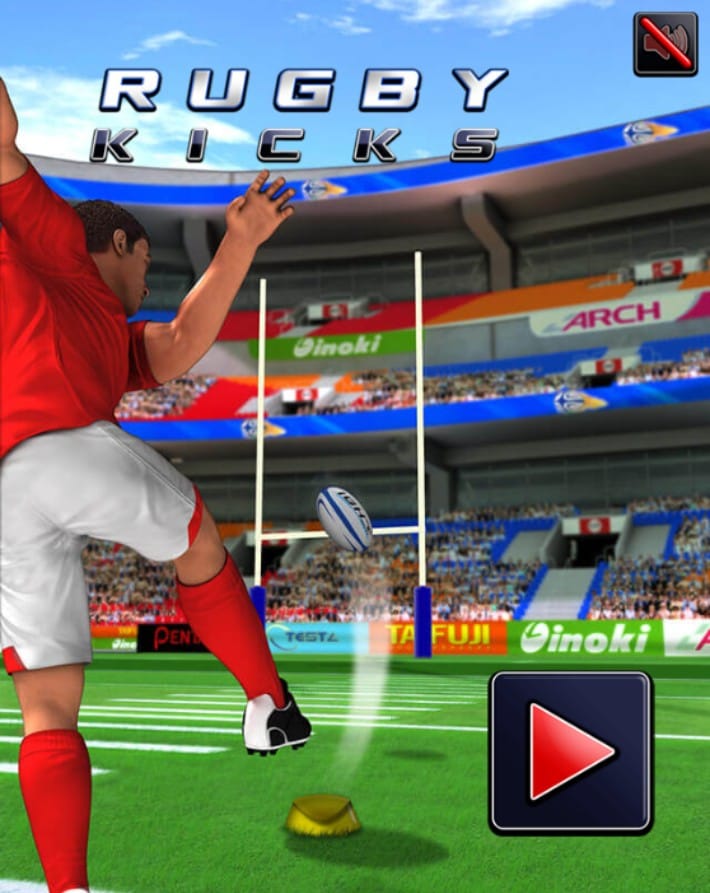
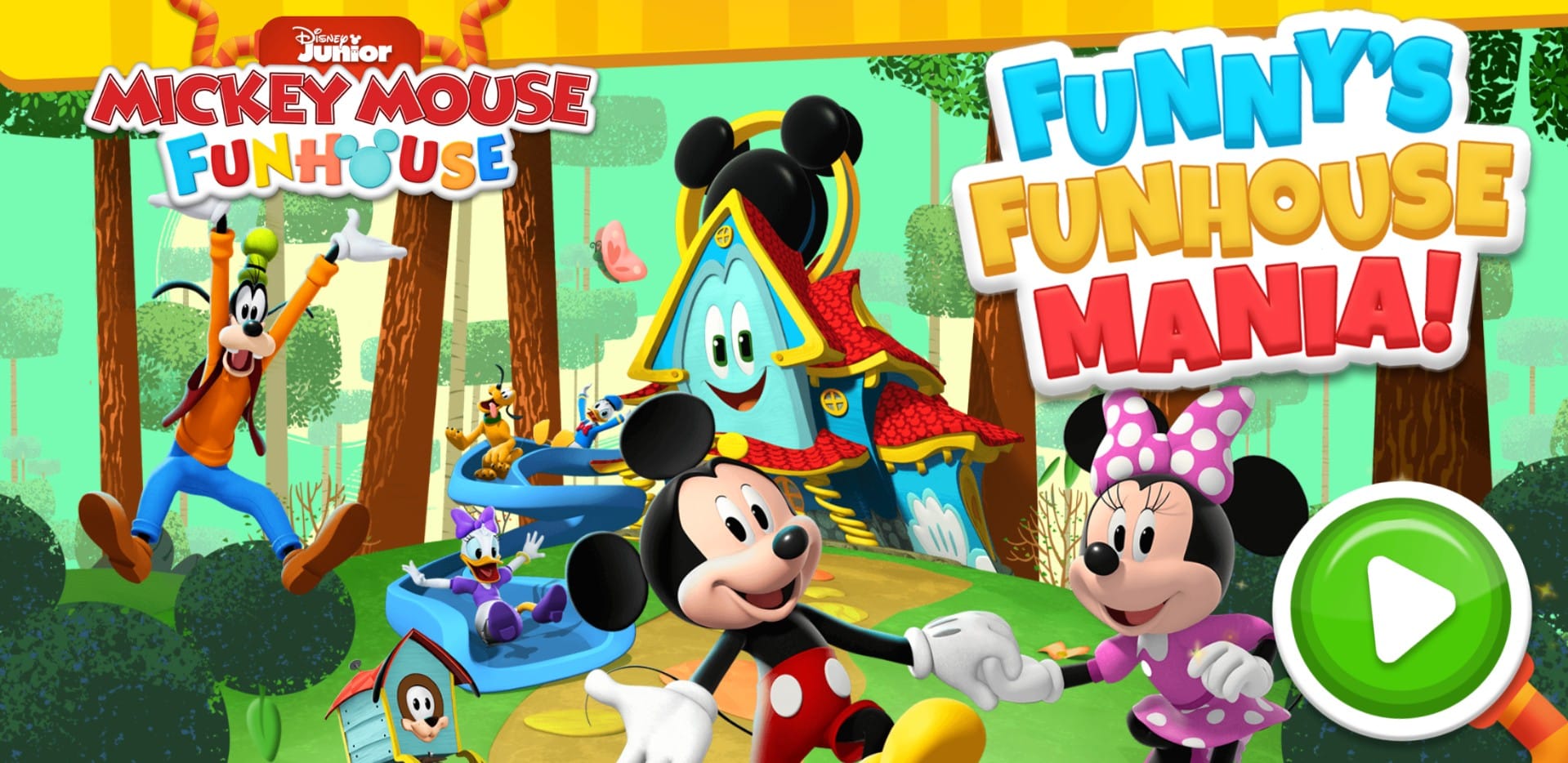
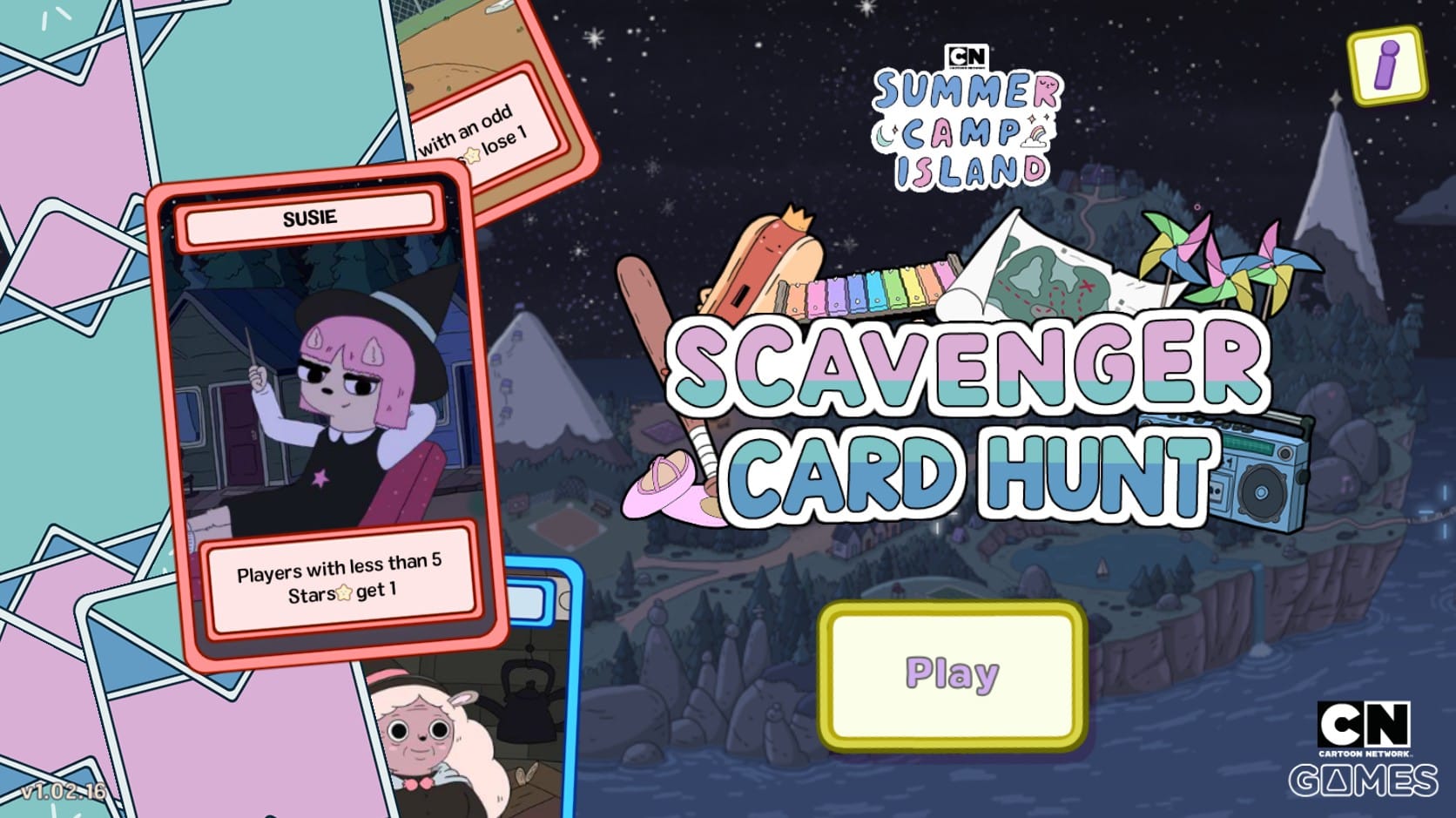
This is the shape of the problem Forestry Games has been supplying into since 2017: a licensable catalogue of 1,049 HTML5 and Android titles, plus in-house HTML5 development and branded game work when a rights holder needs something built rather than licensed. For a club, the practical routes are a licensed set of casual titles running inside the app or website as everyday inventory, a sponsor-branded build for a flagship activation, or a white-label games section that a commercial team can resell as a standing placement rather than a one-off campaign. Our marketing games and catalogue pages cover what is available, and licence and pricing sets out the terms the clauses above refer to.
🧭 What to Do Before the Next Sponsorship Renewal
The eleven clubs that changed sector this summer are the visible edge of something wider — gambling sponsorship restrictions are being debated across European football, and any club with a betting brand on a sleeve should assume it is on a clock. The commercial teams that come out of this well will be the ones who stop selling placement and start selling a measurable interaction, because that is what the incoming sponsor categories need and cannot supply themselves.
Concretely, before your next renewal: pull the last twelve months of app engagement and mark every non-matchday trough; establish what your current sponsor is spending on activation, because there is a 43% chance nobody has asked; get one prize mechanic legally reviewed and reusable rather than improvising per campaign; and price a licensed catalogue against the bespoke build you were about to commission. If the licensed option costs less than a fifth of the build and runs 365 days instead of 19, the argument makes itself — and you will have an activation product ready before the sponsor asks what they got for the money.